
VISION
Co-Creation with the Invisible
Bunka Engineering Lab brings together cultural insight and engineering analysis to design the relationships between environment, place, and people.
Light, wind, sound, heat, humidity, the memory of the land, and the rhythms of everyday life.
We approach each project not only through what is visible, but also through its relationship with these less visible conditions.
By carefully reading these elements, we shape environments where the senses can open naturally.
We seek to bring out the resources and values already present in each place, creating spaces where the character of the place can quietly emerge.
APPROACH
Bunka Engineering Design
1 | The Foundation of Bunka Engineering
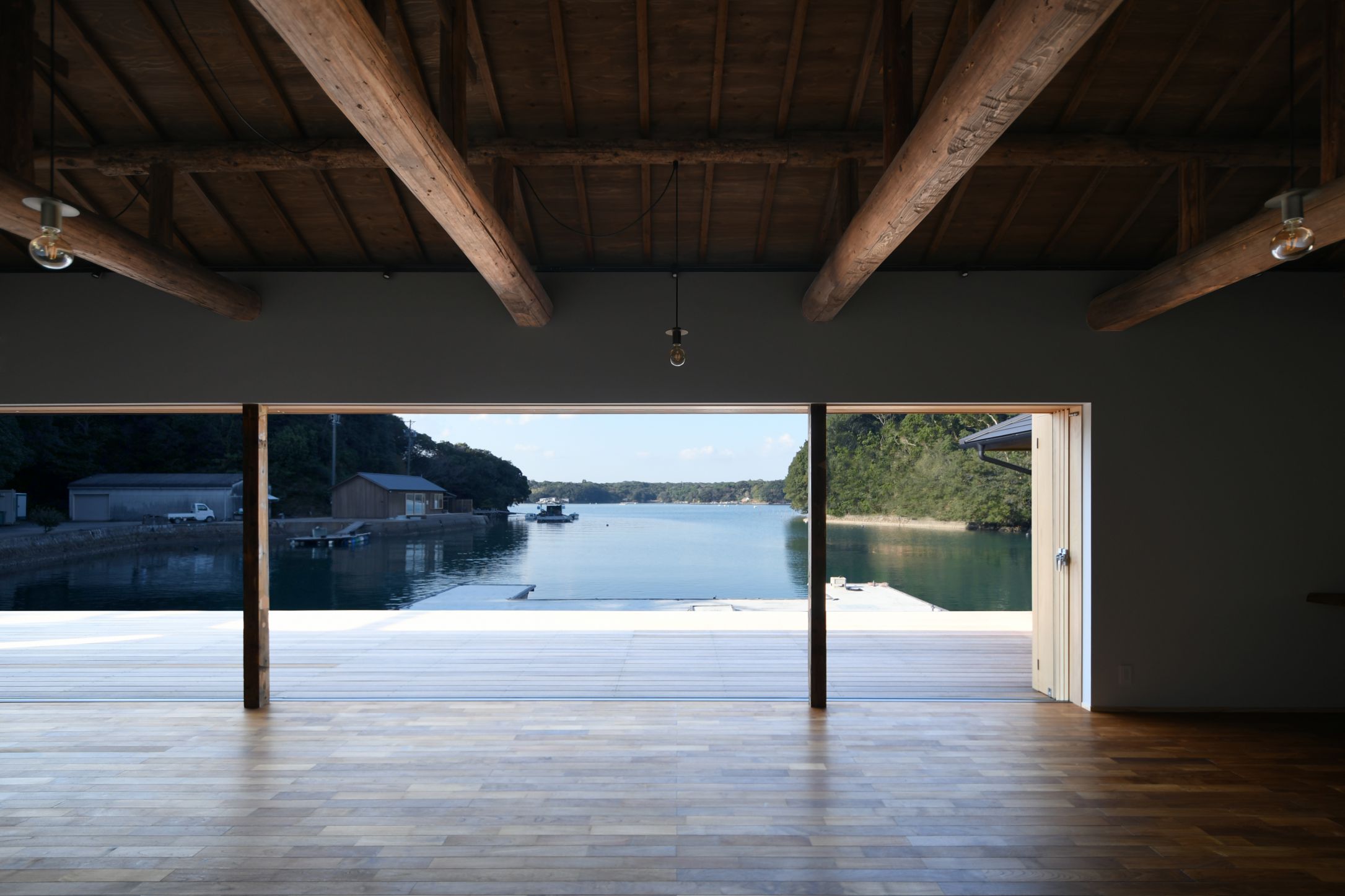
At the core of Bunka Engineering lies a sensibility rooted in the Japanese notion of “mottainai.” This does not simply mean conserving resources.
It reflects a sense of discomfort toward situations in which existing resources, environments, memories, and everyday practices are unable to fully express their inherent potential or meaning.
2 | Reading Invisible Potential
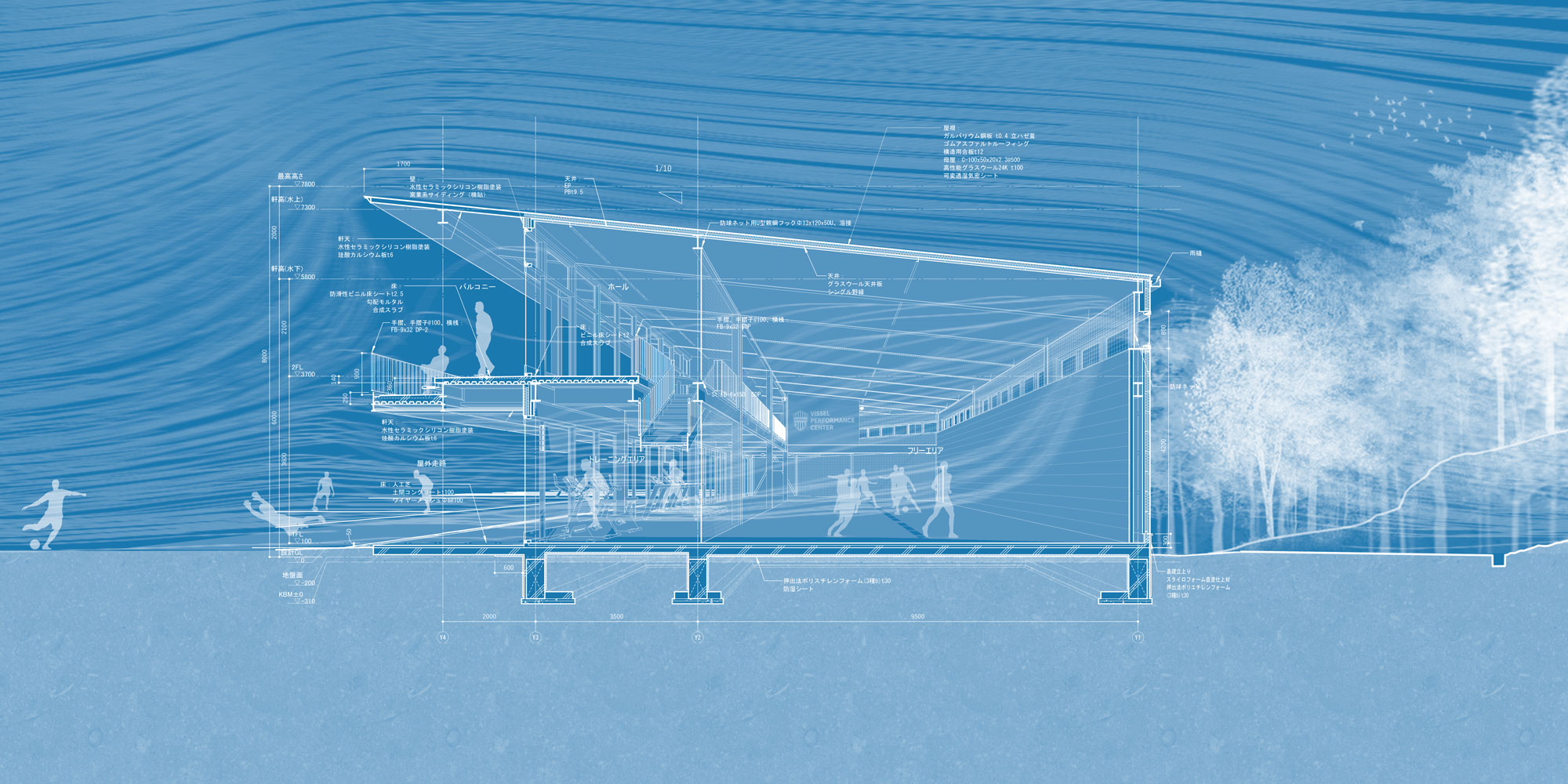
We visualize invisible environmental elements such as wind, sound, and heat through engineering methods including fluid dynamics, acoustic analysis, and thermal environment simulations.
This is not to control the environment, but to gain a deeper understanding of the potential that a place already possesses.
3 | Not Ignoring What Cannot Be Quantified
At the same time, we treat elements that are difficult to quantify—such as accumulated history and culture, the ways people use their bodies, rhythms of stay, and sensory relationships with materials—as essential design conditions.
In Bunka Engineering, cultural conditions and engineering conditions are regarded as equally important parameters in the design process.

4 | Designing Through the Five Senses
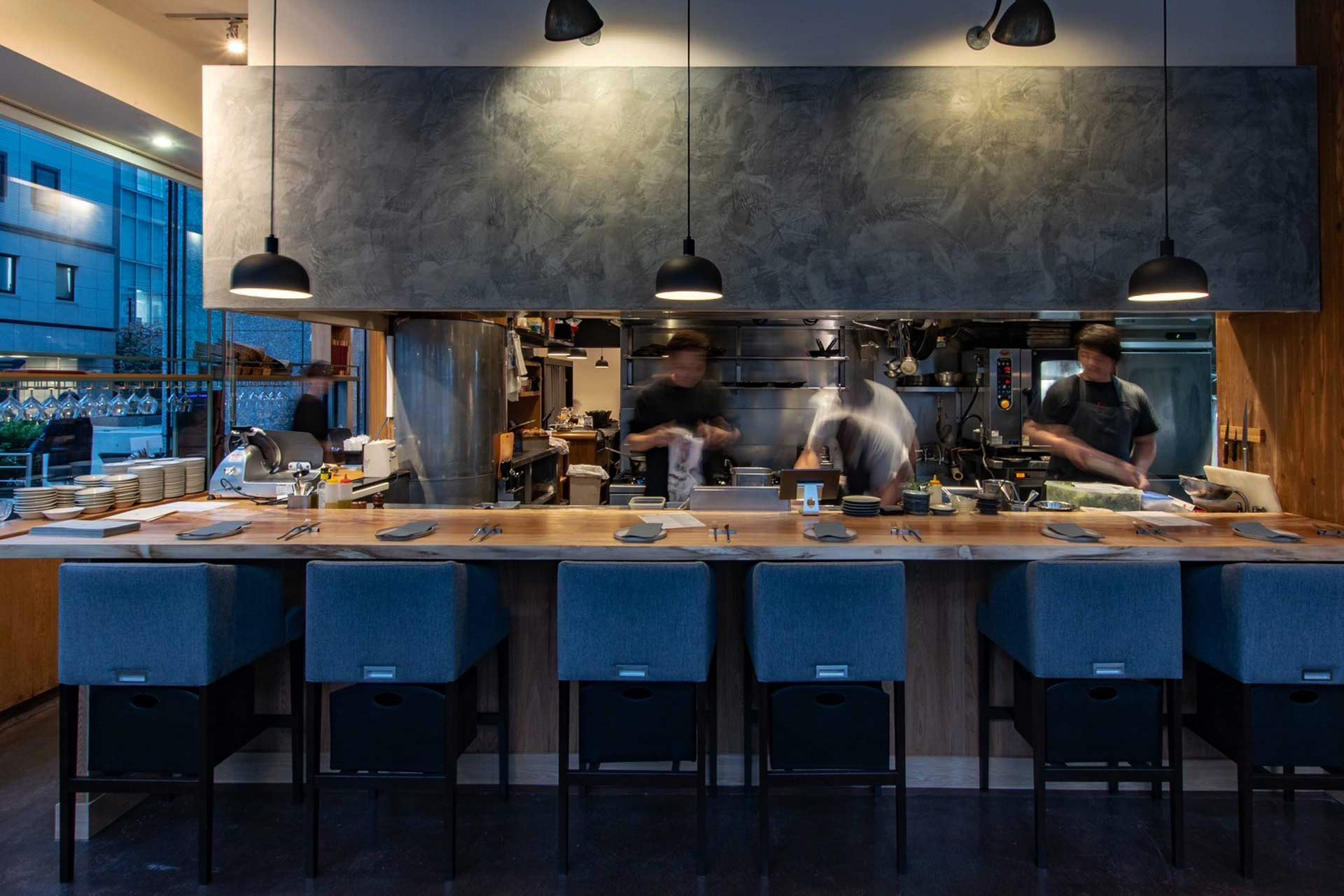
In the design process, we consider how cultural and engineering conditions influence people’s behavior through the five senses, and shape the relationships among those conditions.
We examine how light enters a space, how sound resonates, and how temperature, wind, and the texture of materials affect the way people inhabit and move through a place, creating conditions in which the body and the environment naturally resonate.
5 | Creating a State of Fulfilled Potential
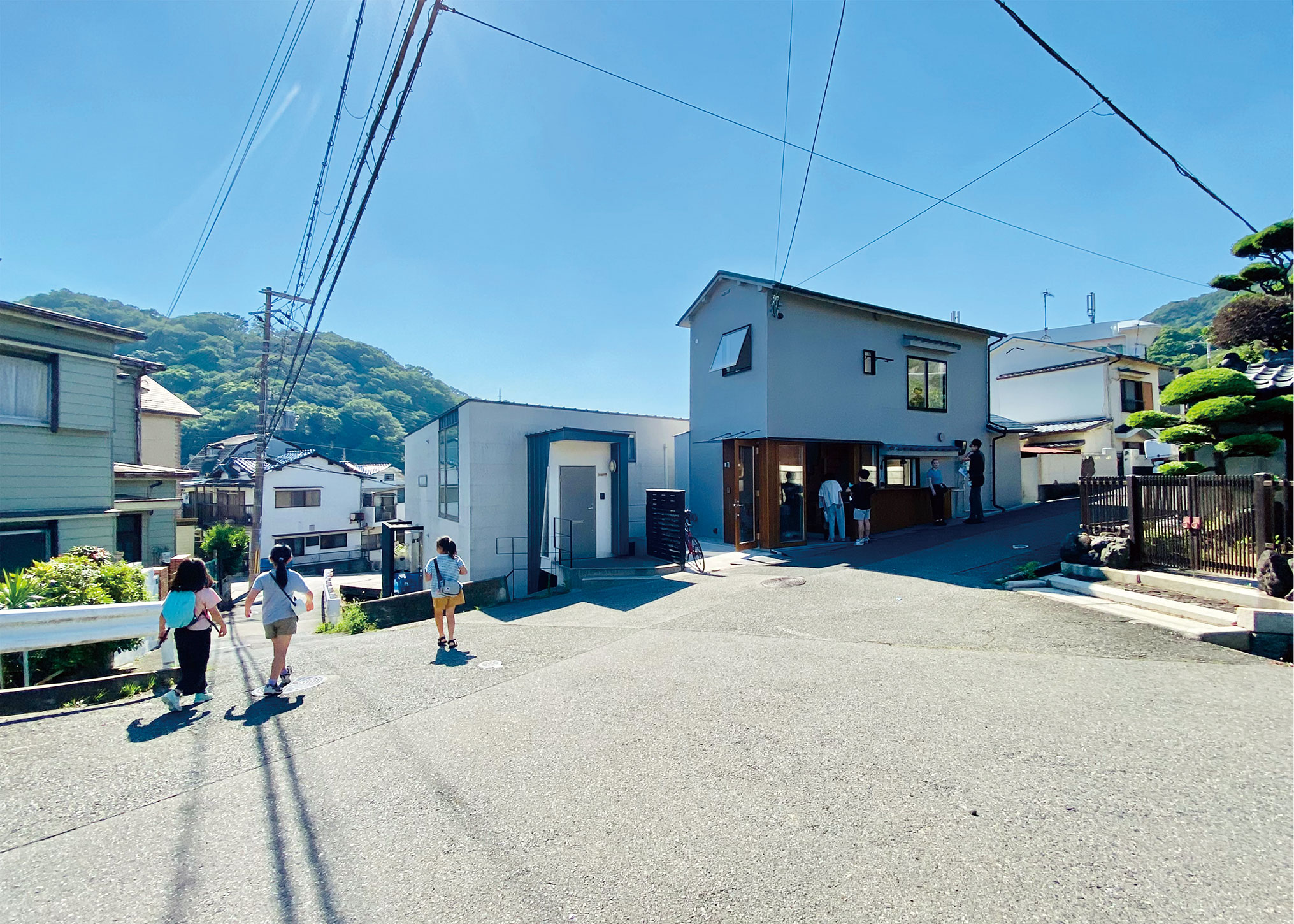
Bunka Engineering Laboratory aims to create environments in which existing elements hold value and remain in meaningful relationship with one another.
In such environments, nature, place, people, materials, and memory overlap without force, allowing the value of the site to emerge naturally.
This is the kind of environment we seek through the Bunka Engineering design approach.
PROFILE
Bunka Engineering Laboratory Co., Ltd.
First-class registered architect office (Registered by governor of Hyogo prefecture No. 01A04767)
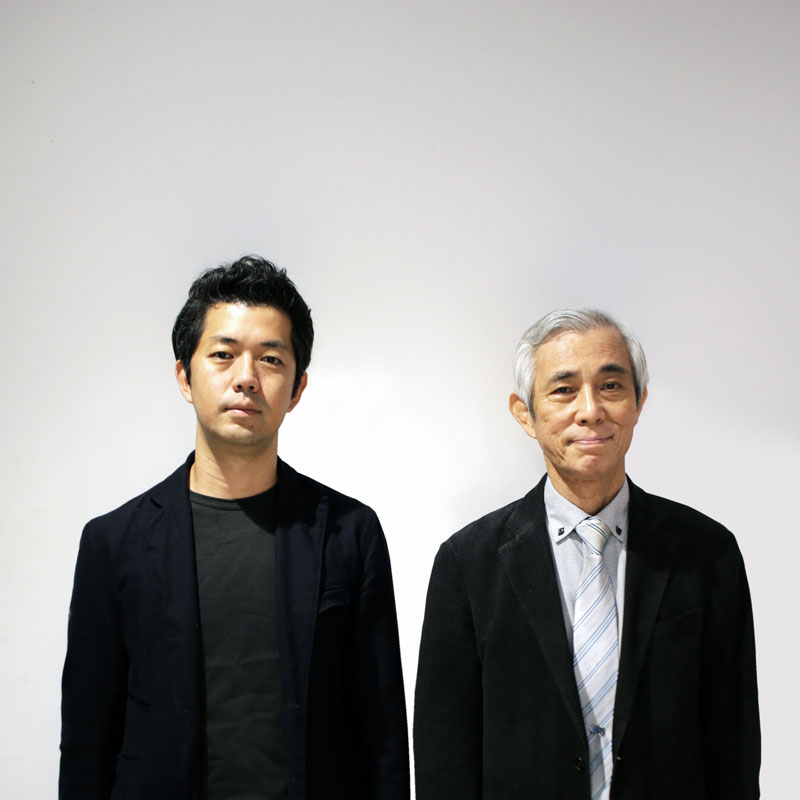
Hiroaki Kitagawa CEO
First-class registered architect (No.364895)
Vice President of Hyogo Association of Architectural Firms
Lecturer at Kobe Design University
He got a Master’s degree of Architectural Design at Kyoto Institute of Technology in 2008. He worked at Alhadeff Architects (Milan, Italy) from 2008 to 2013, working on projects in Italy, England, Switzerland etc.
In parallel with working at the architect office, he studied environmental engineering at the Master’s program of Architectural Engineering in Politecnico di Milano from 2009 to 2010.
He established Bunka Engineering Laboratory in 2018.
Soichi Kitagawa Senior Managing Director
Director of Kwasan Astro-Culture Foundation
Director of NPO Kwasan Astro Network
He graduated from Kyoto University with a Master’s degree of Mechanical Engineering in 1980, joined Kobe Steel Co., Ltd. and engaged in the design and development of rolling mills mainly in the machinery devision, from 2011 worked as General Manager of Kyushu Branch. From 2014 to 2017, had worked as Managing Director for Shinko Techno Co.,Ltd.
Since 2017, he has been a lecturer at Kyoto University, Unit of Synergetic Studies for Space, and has been engaged in Kwasan Astronomical Observatory of the Graduate School of Science.
He participated in the establishment of Bunka Engineering Laboratory in 2018.
Access
STUDIO
1-3-4 Shichinomiya-cho, Hyogo-ku, Kobe, 652-0831, Japan