
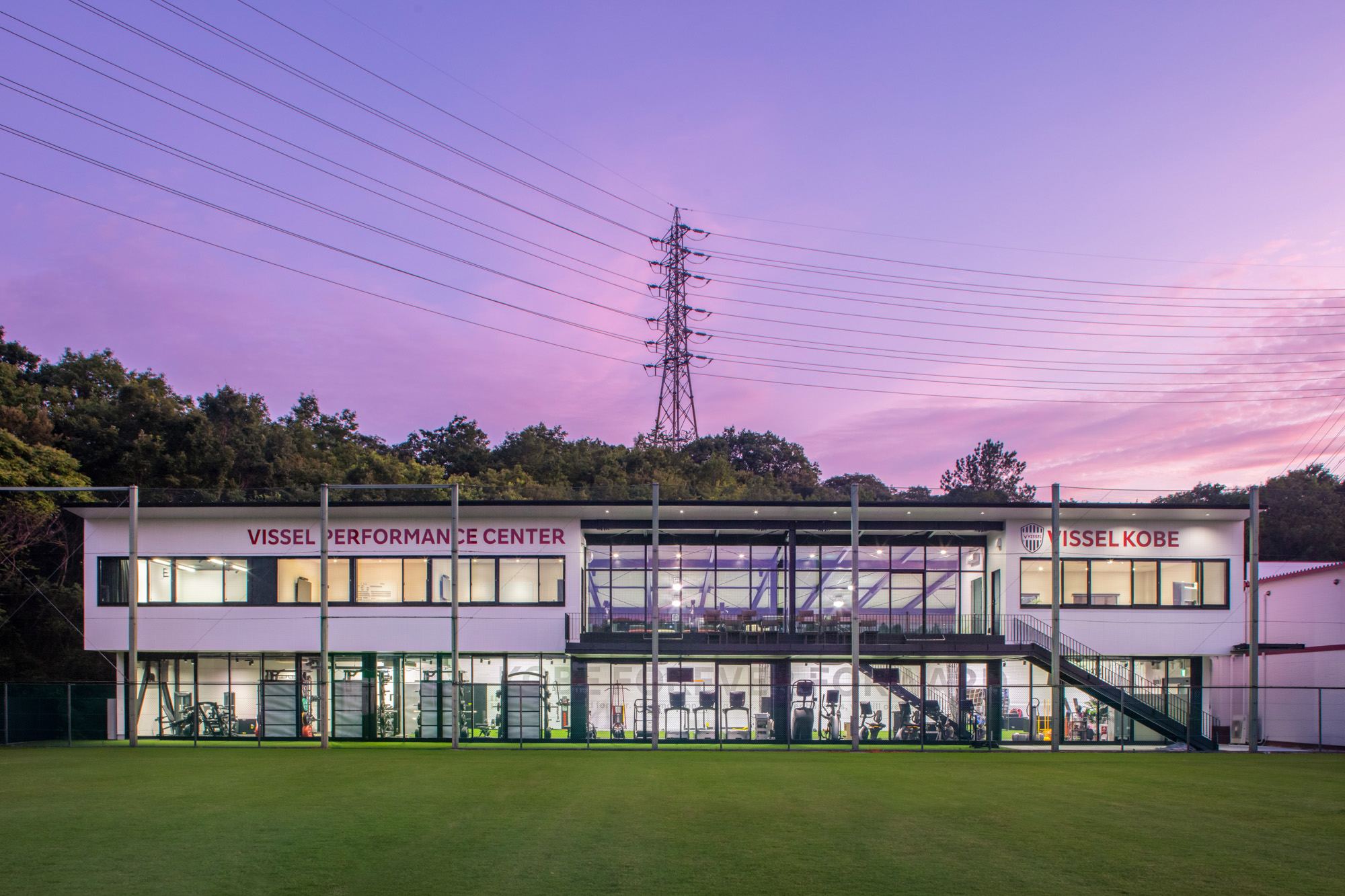
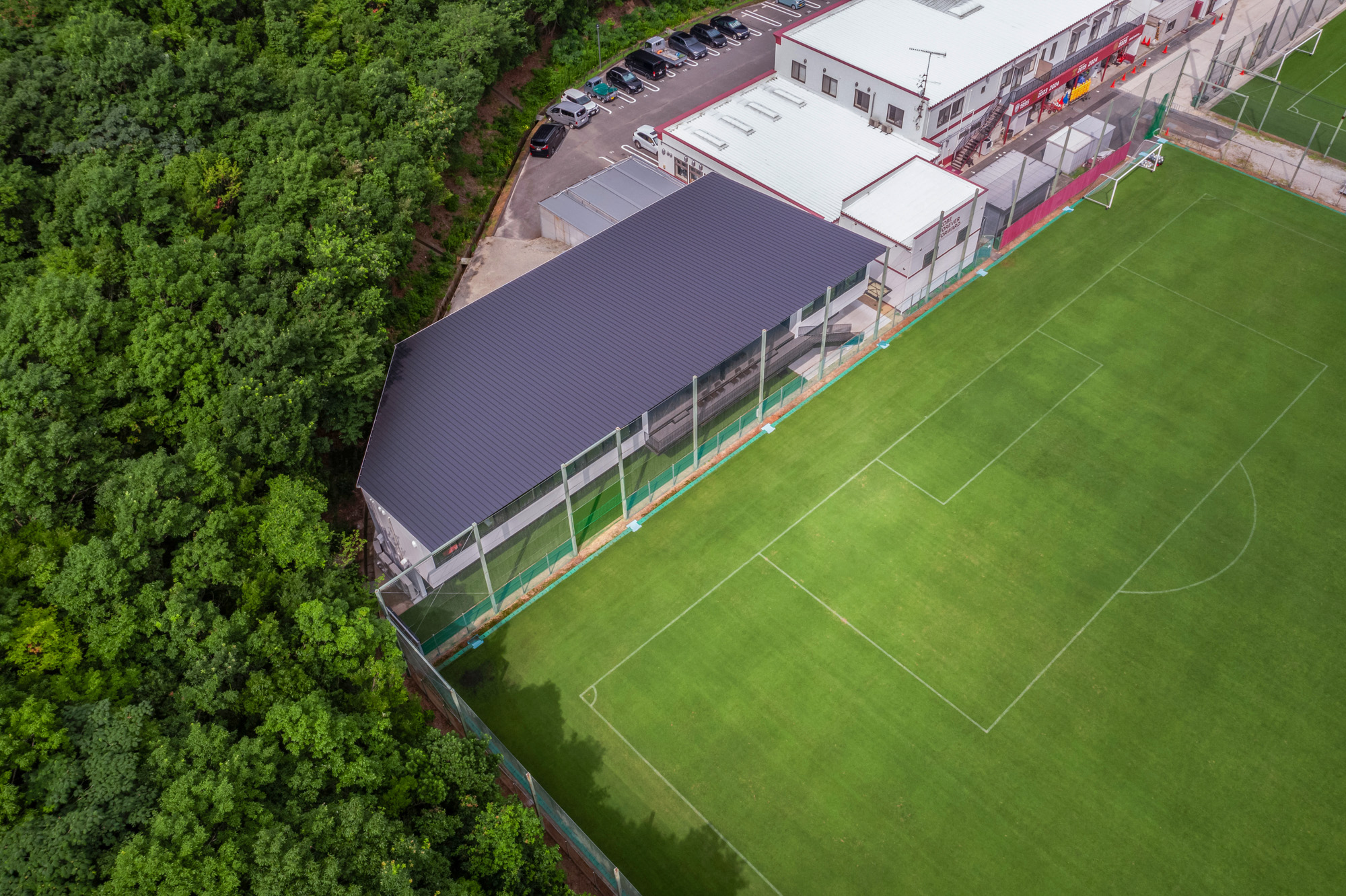
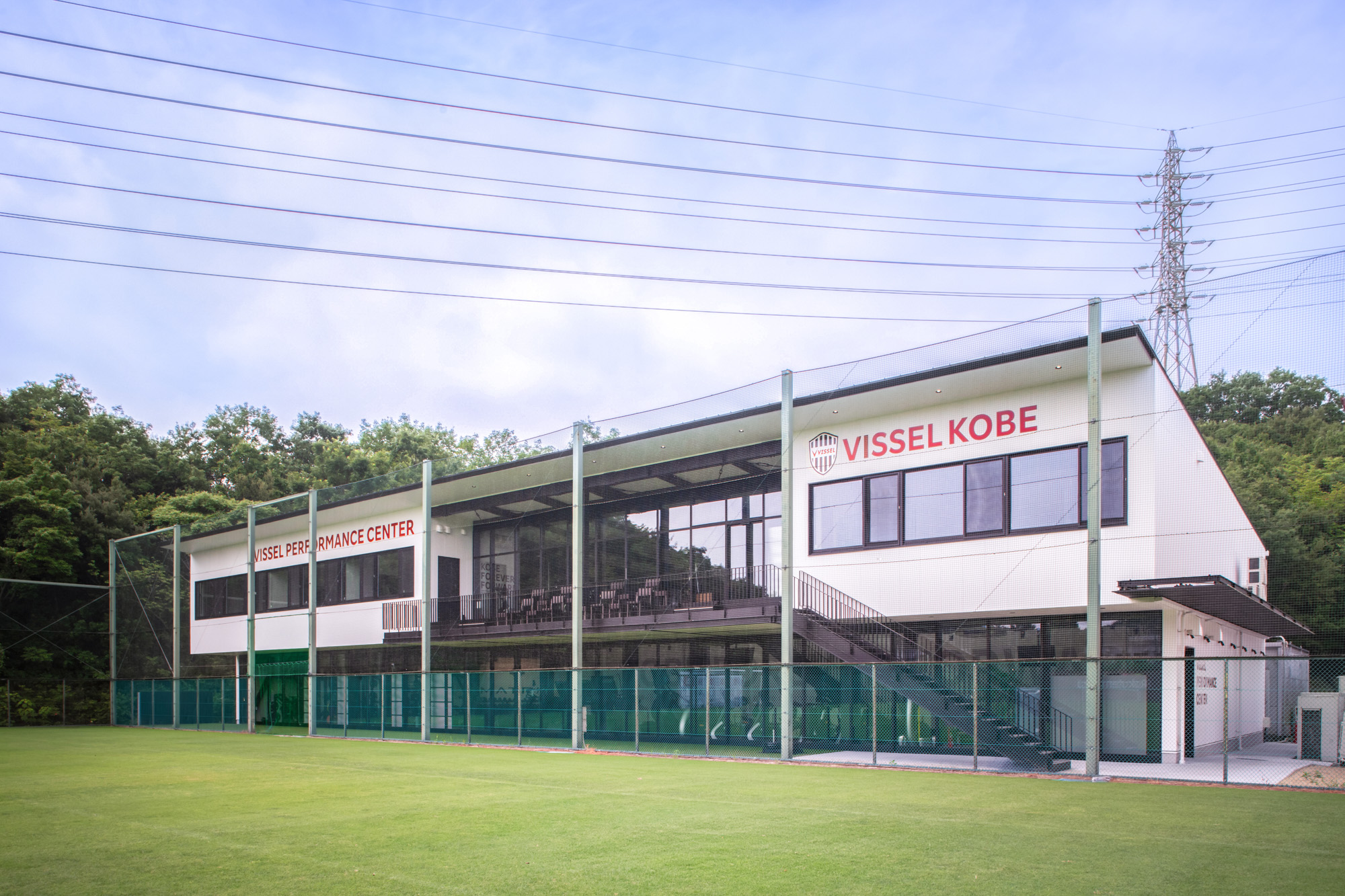
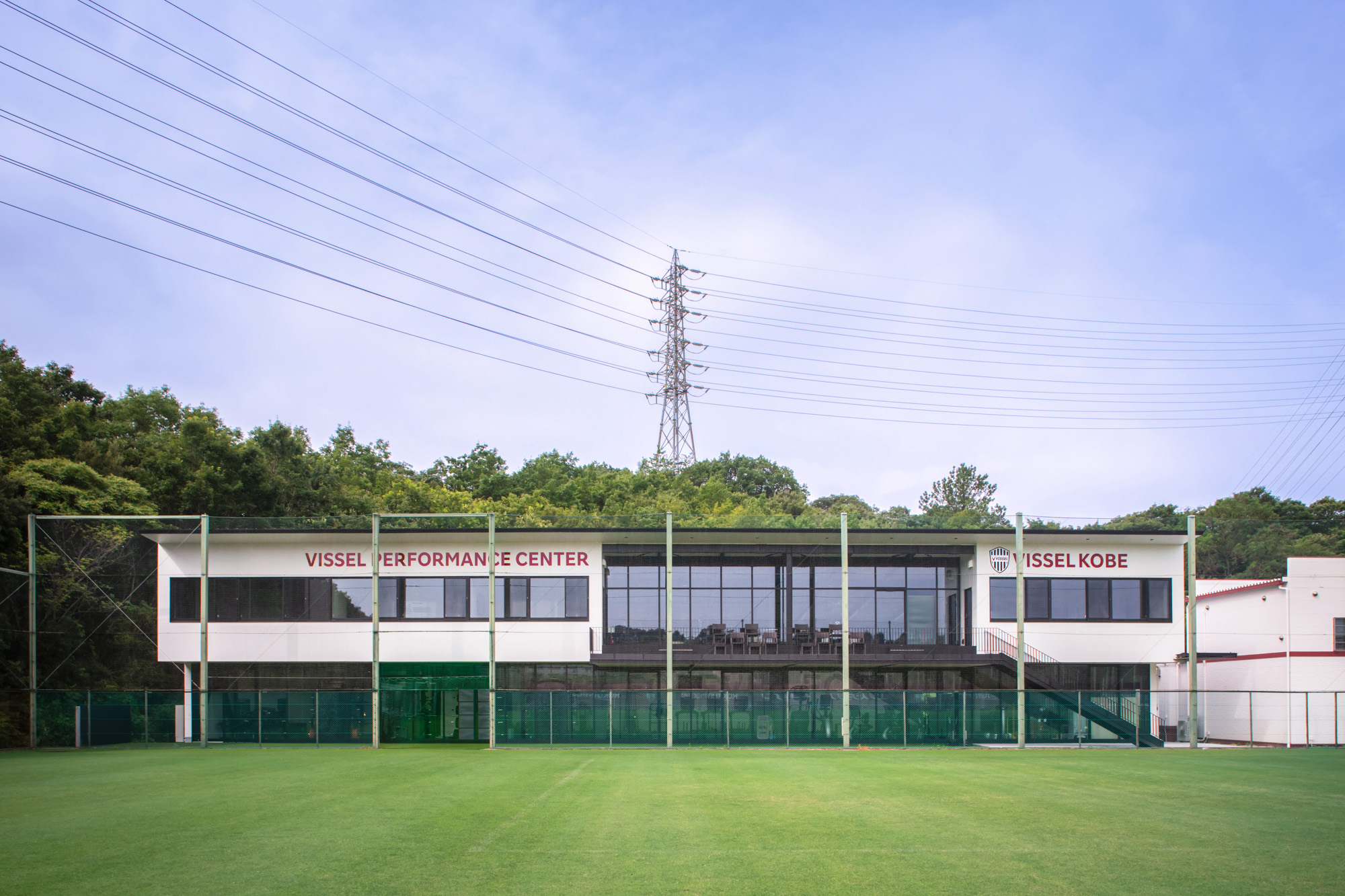
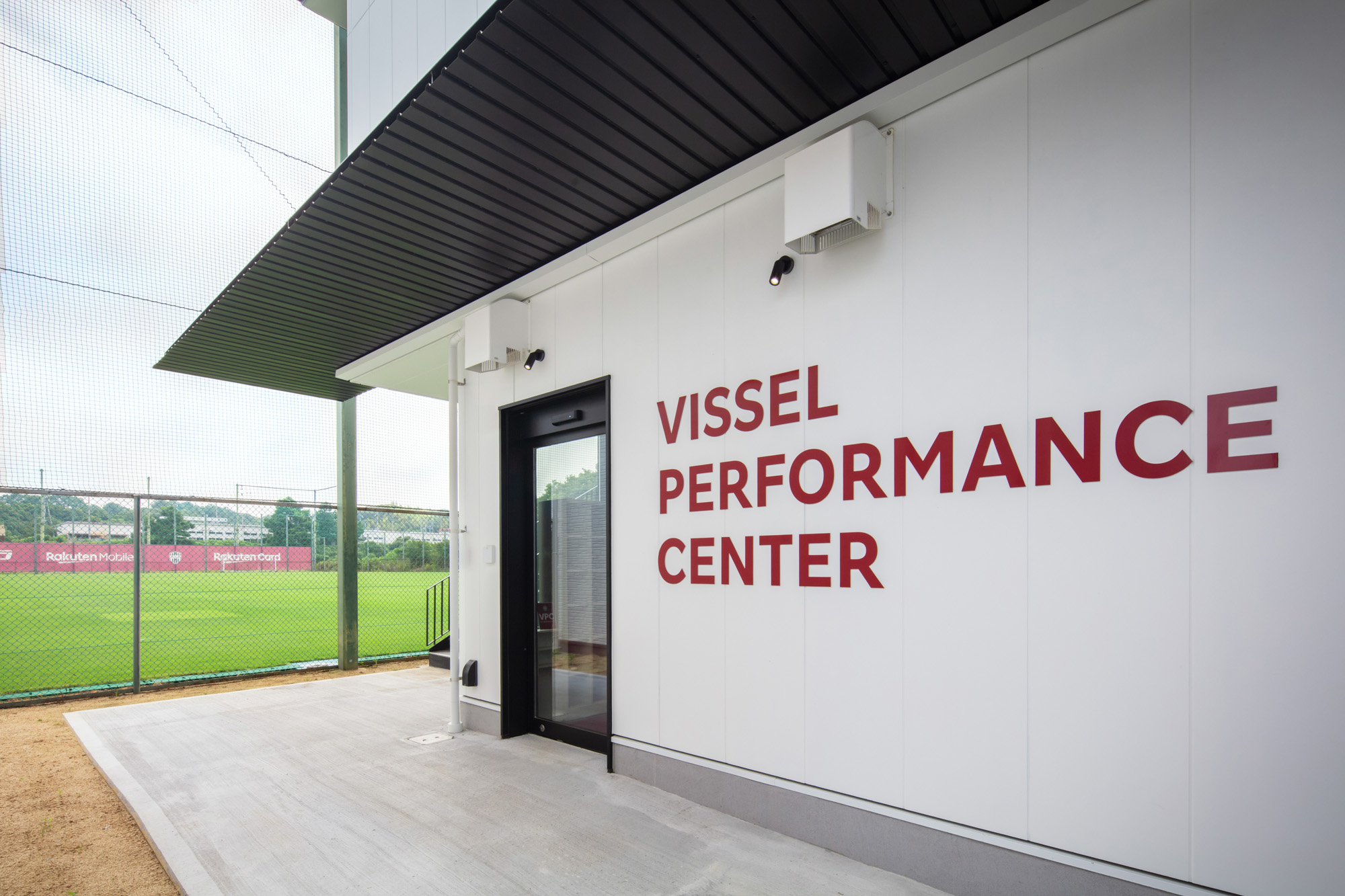
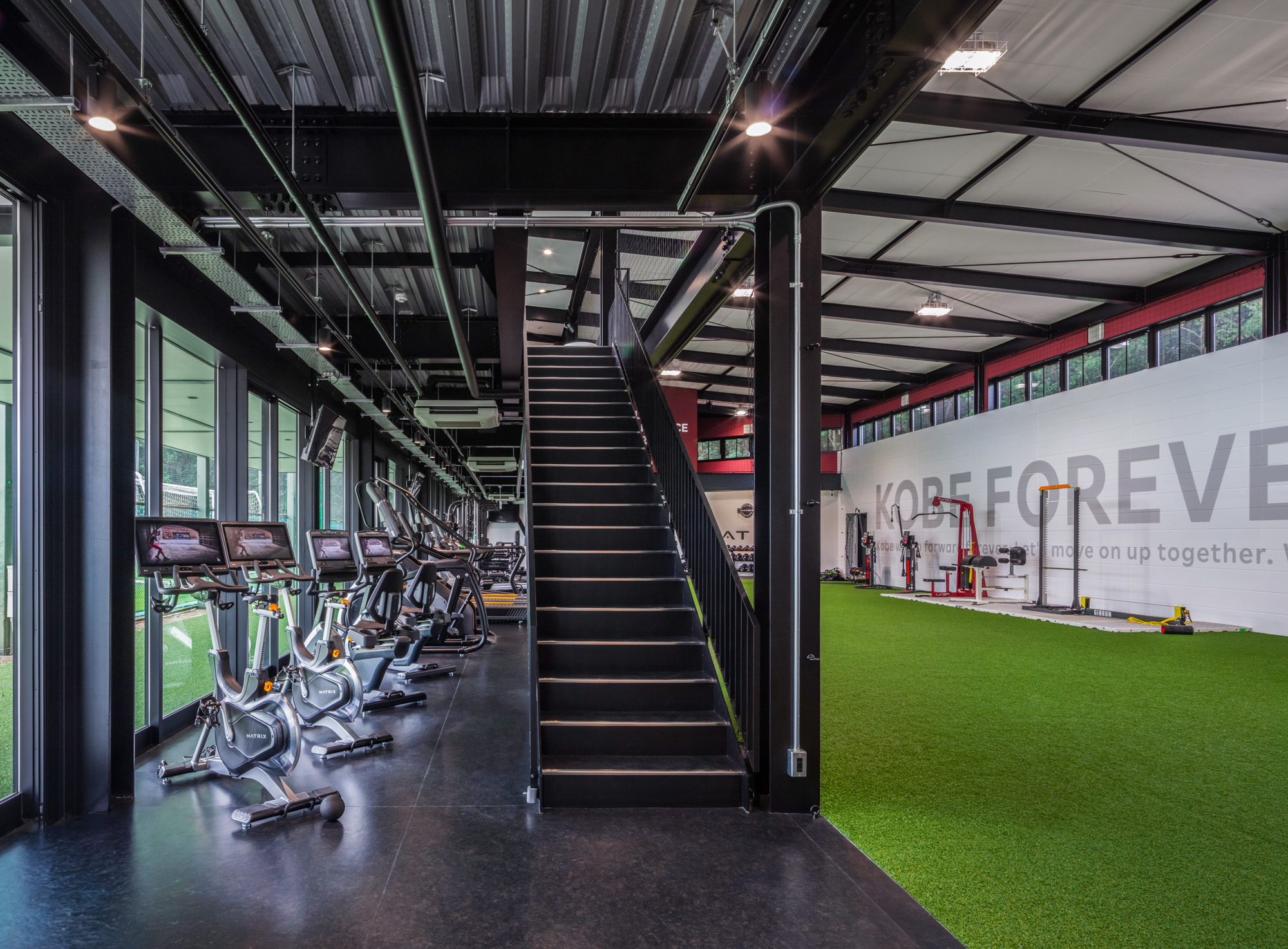
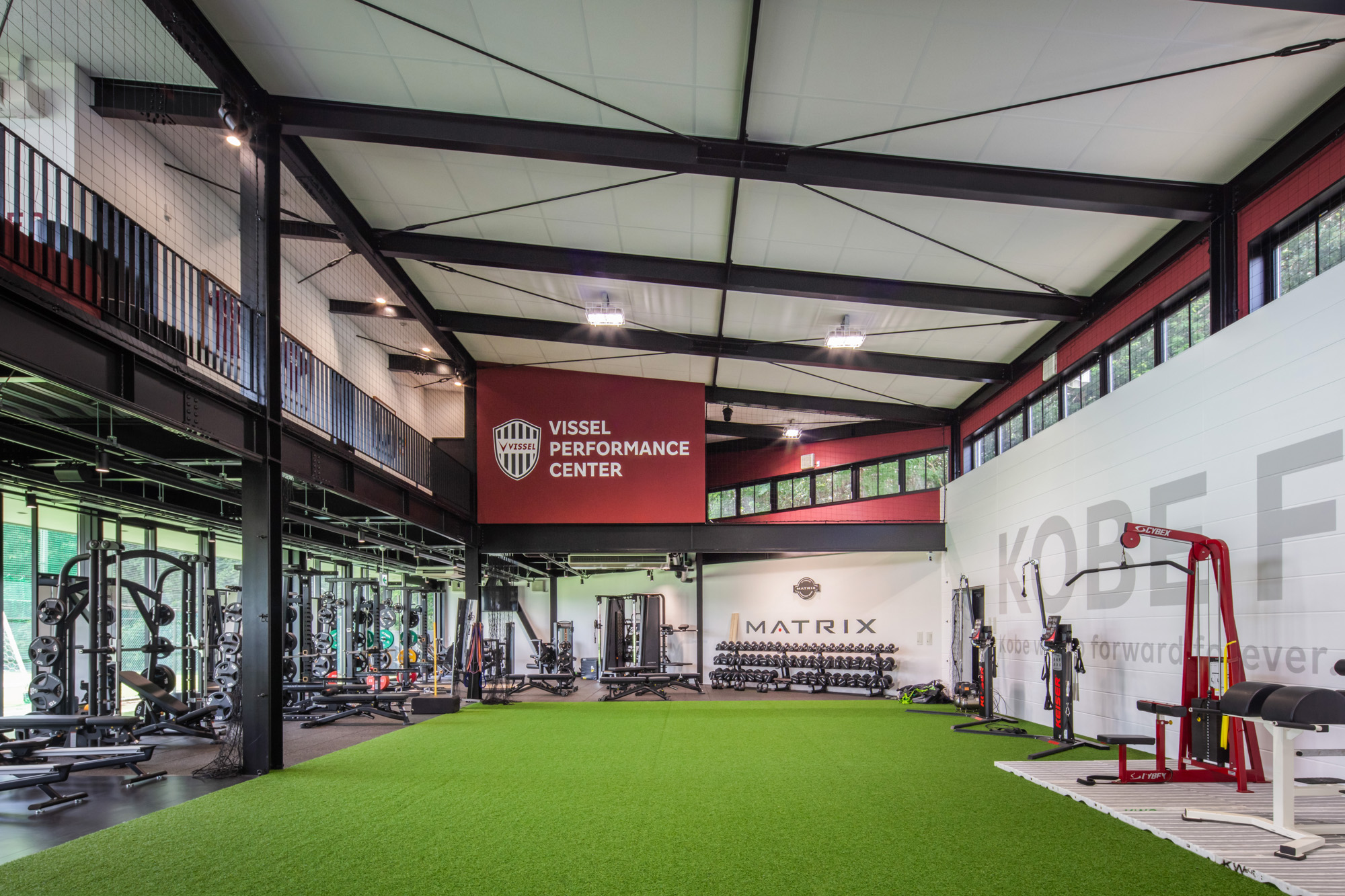
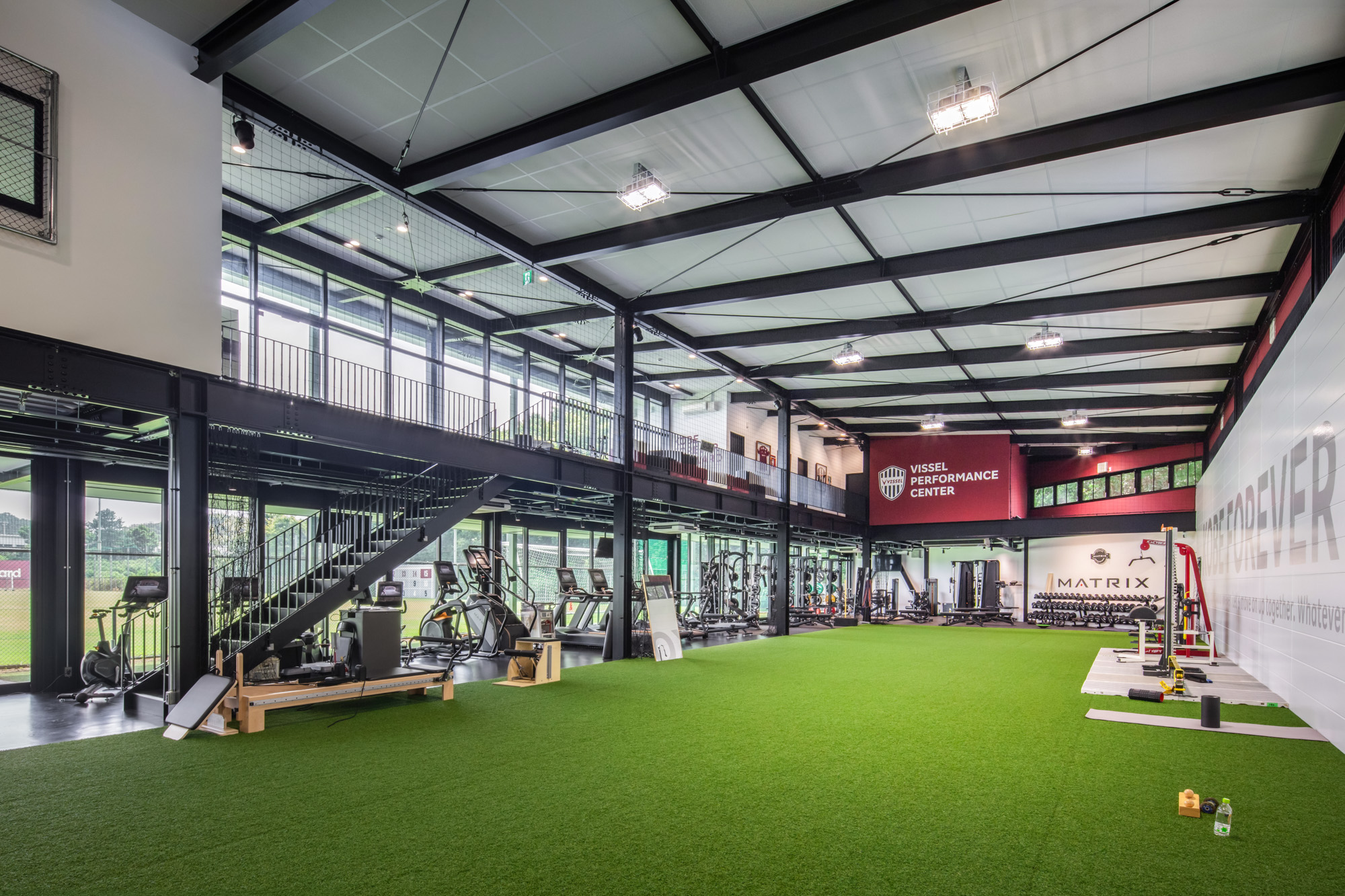
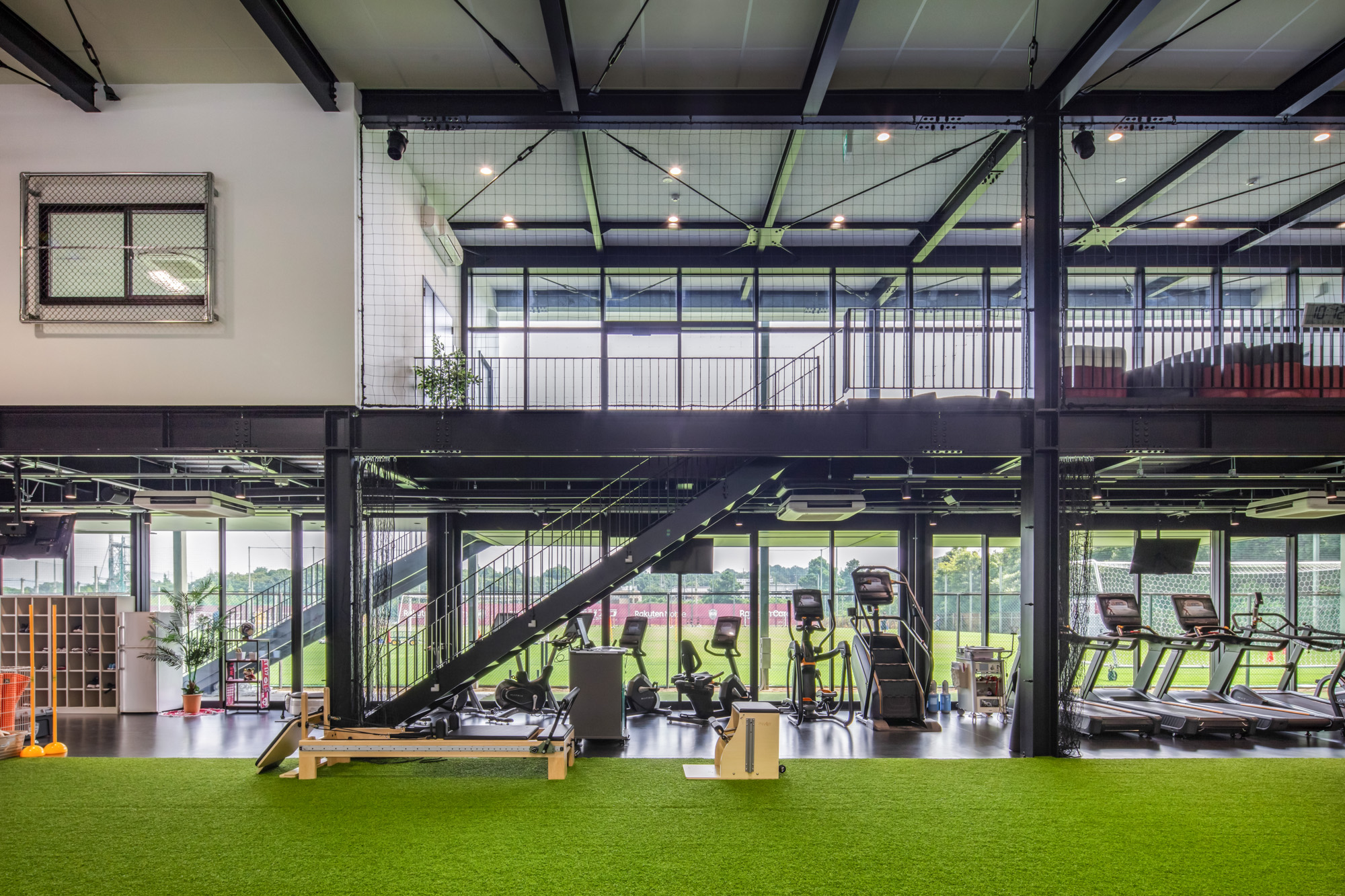
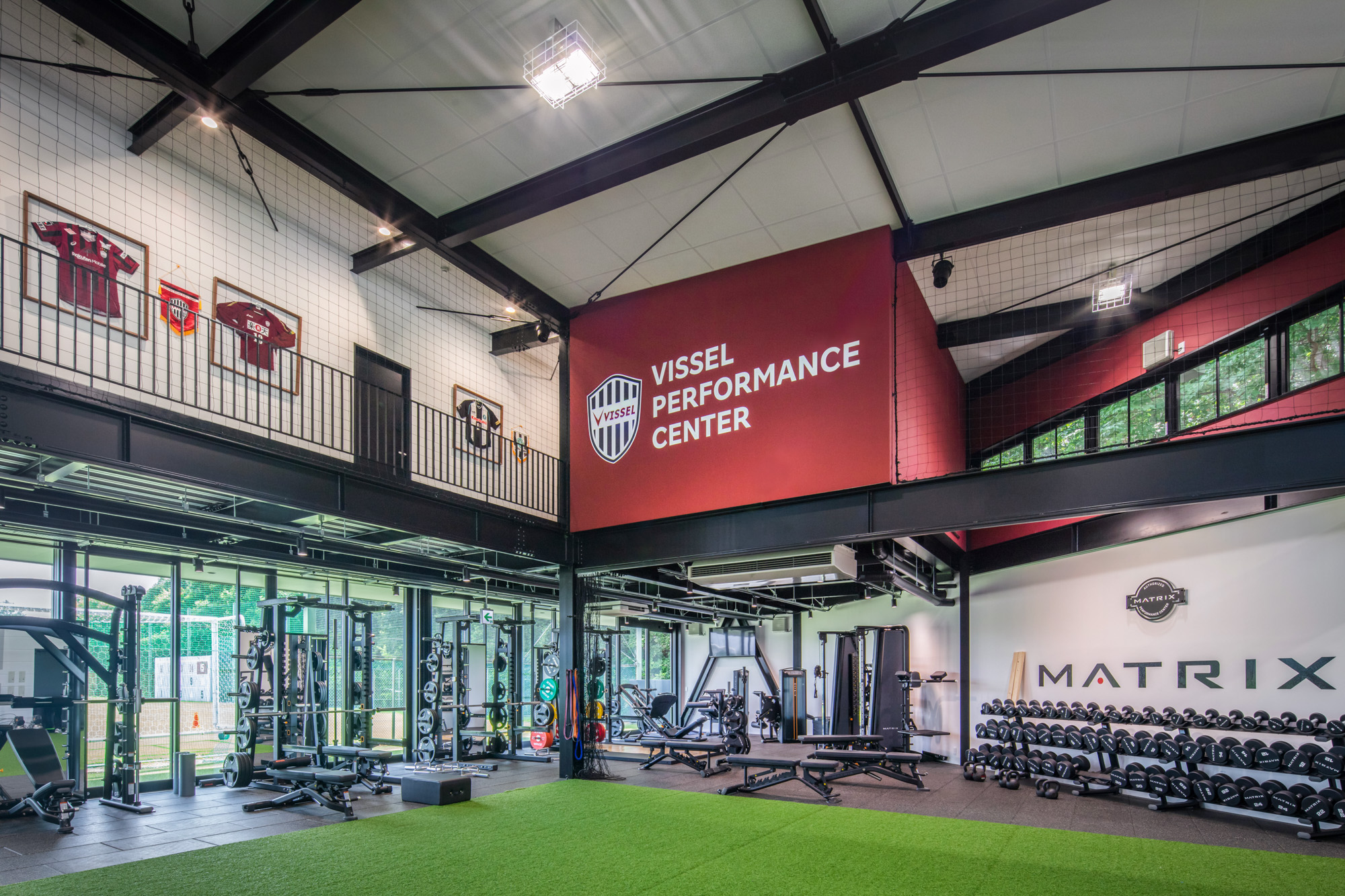
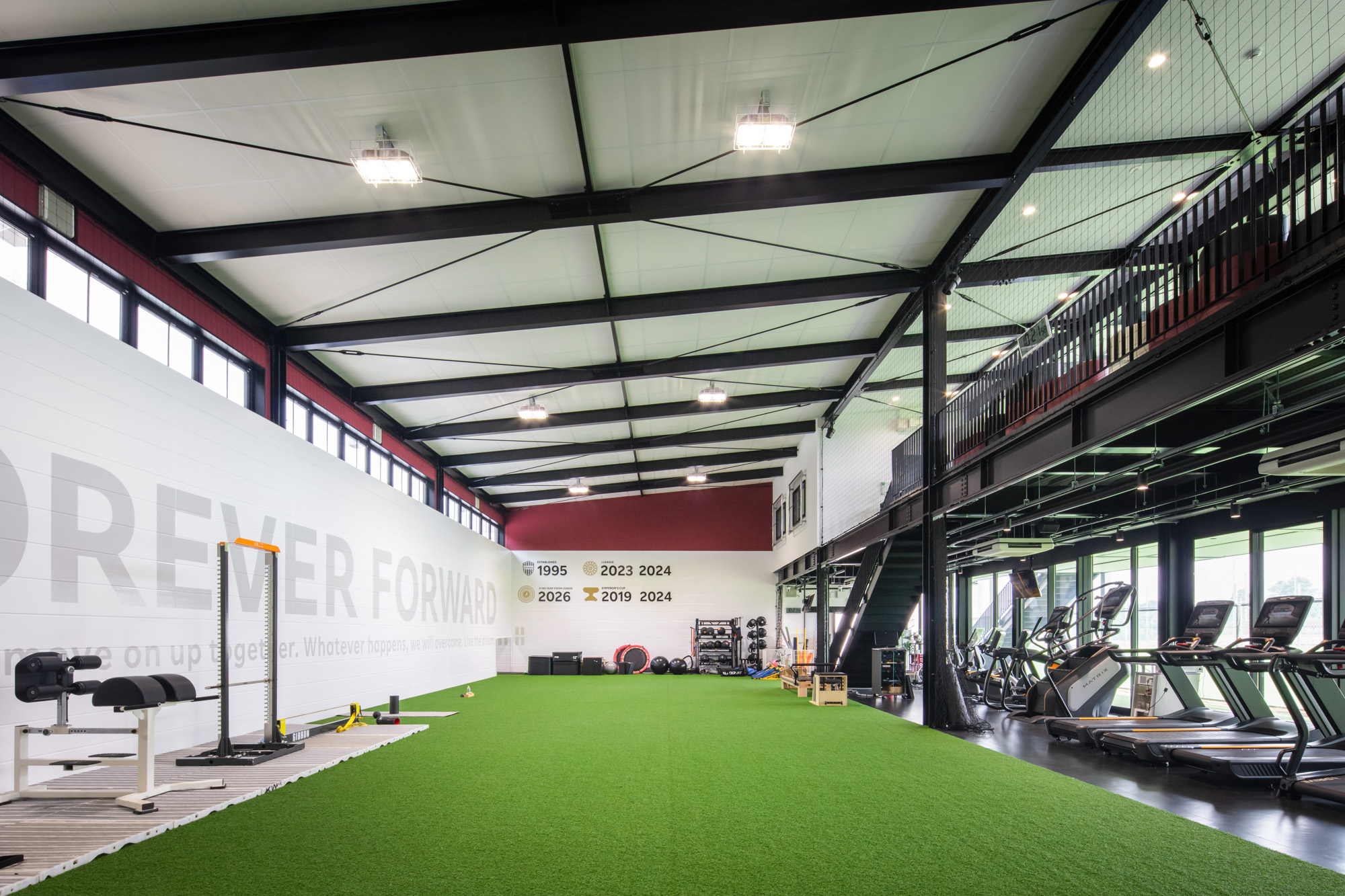
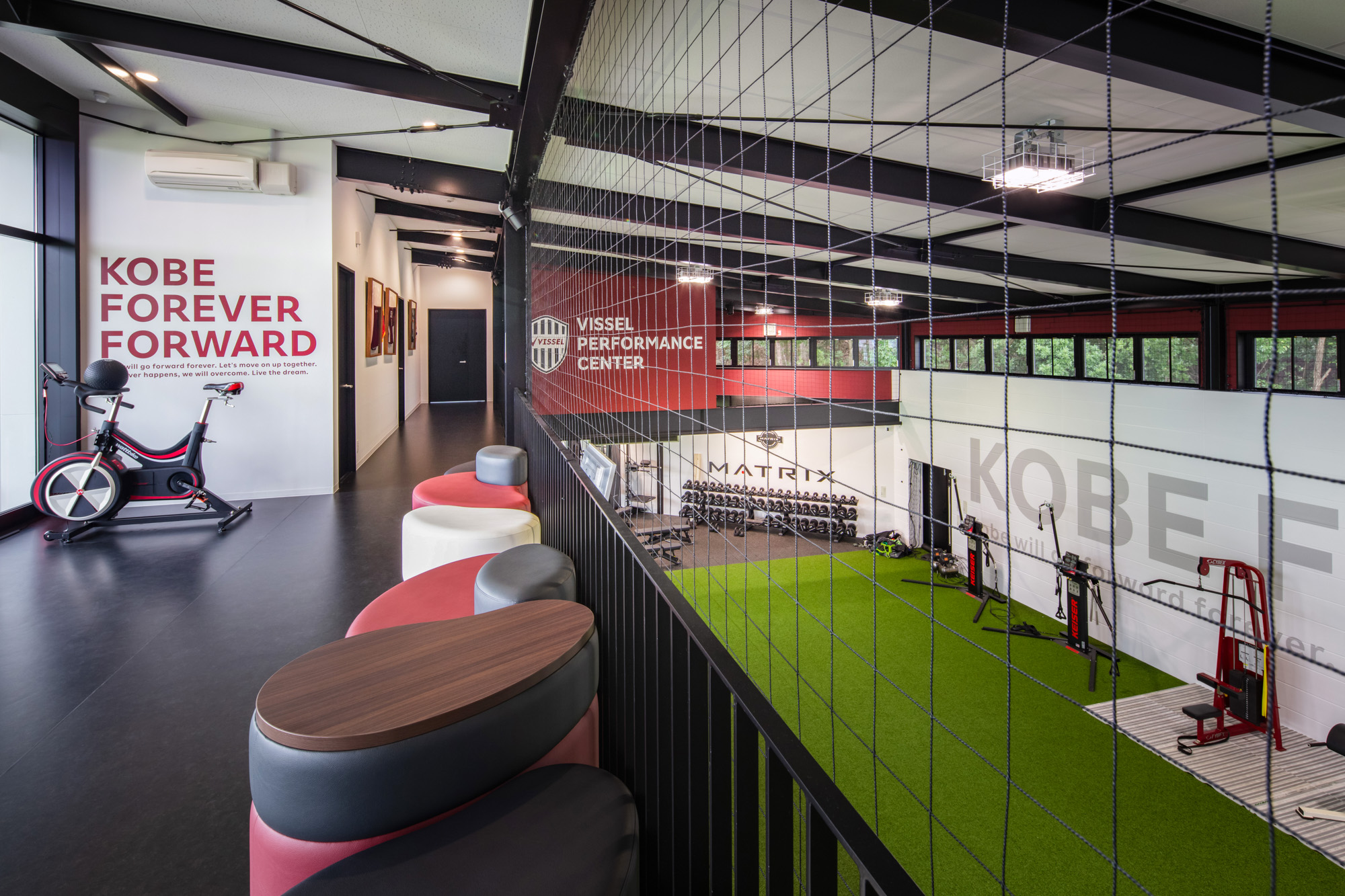
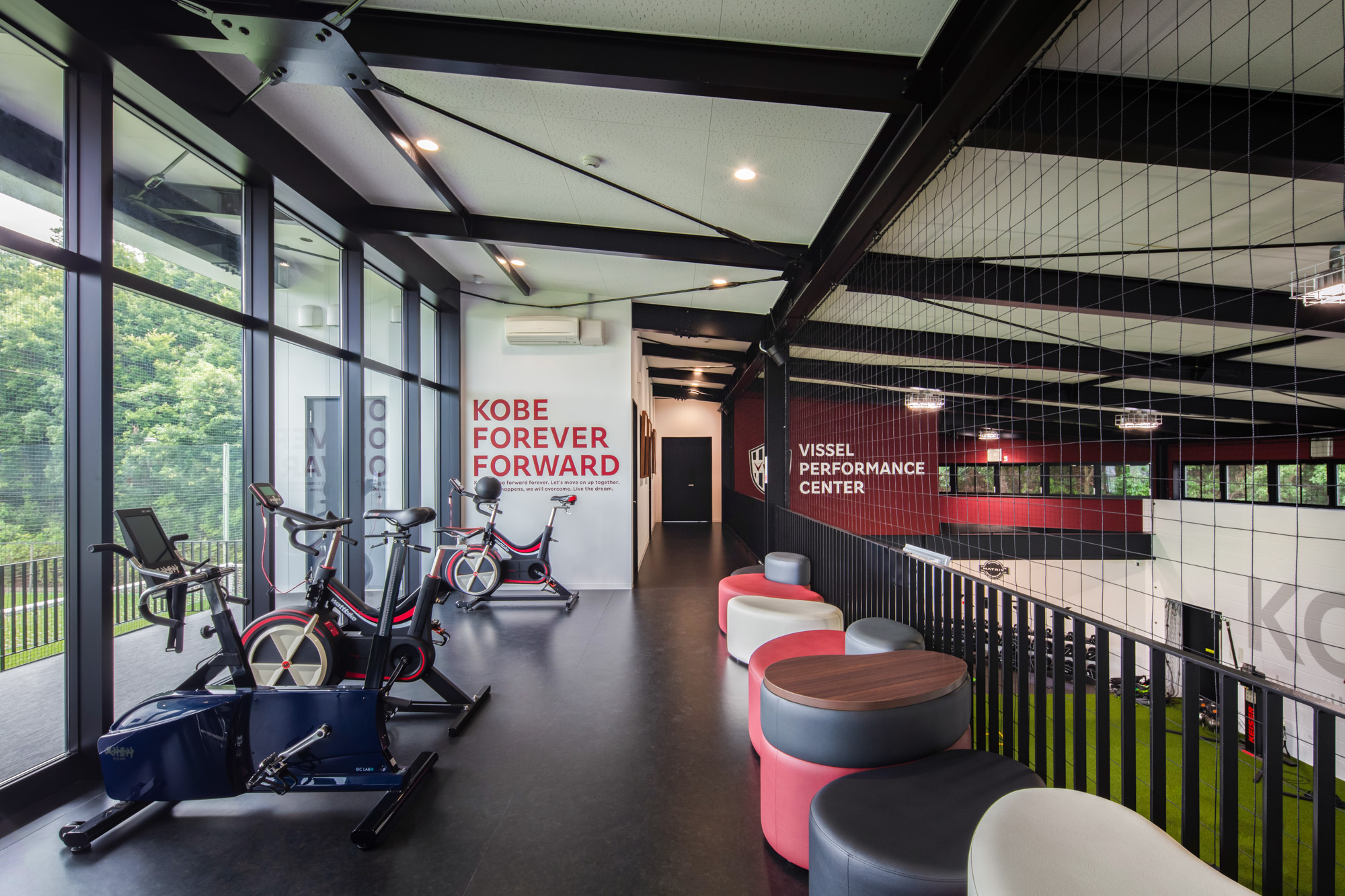
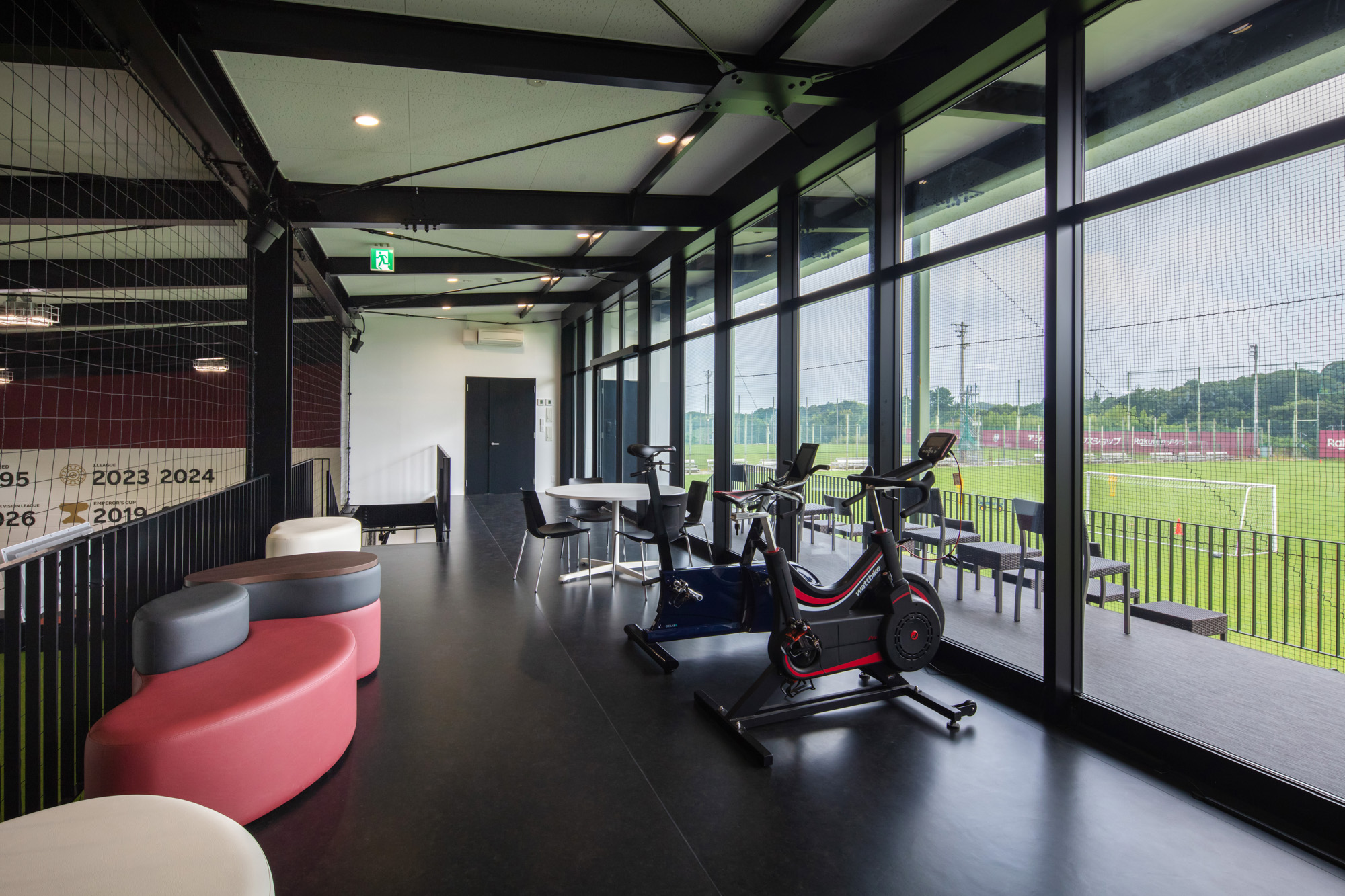
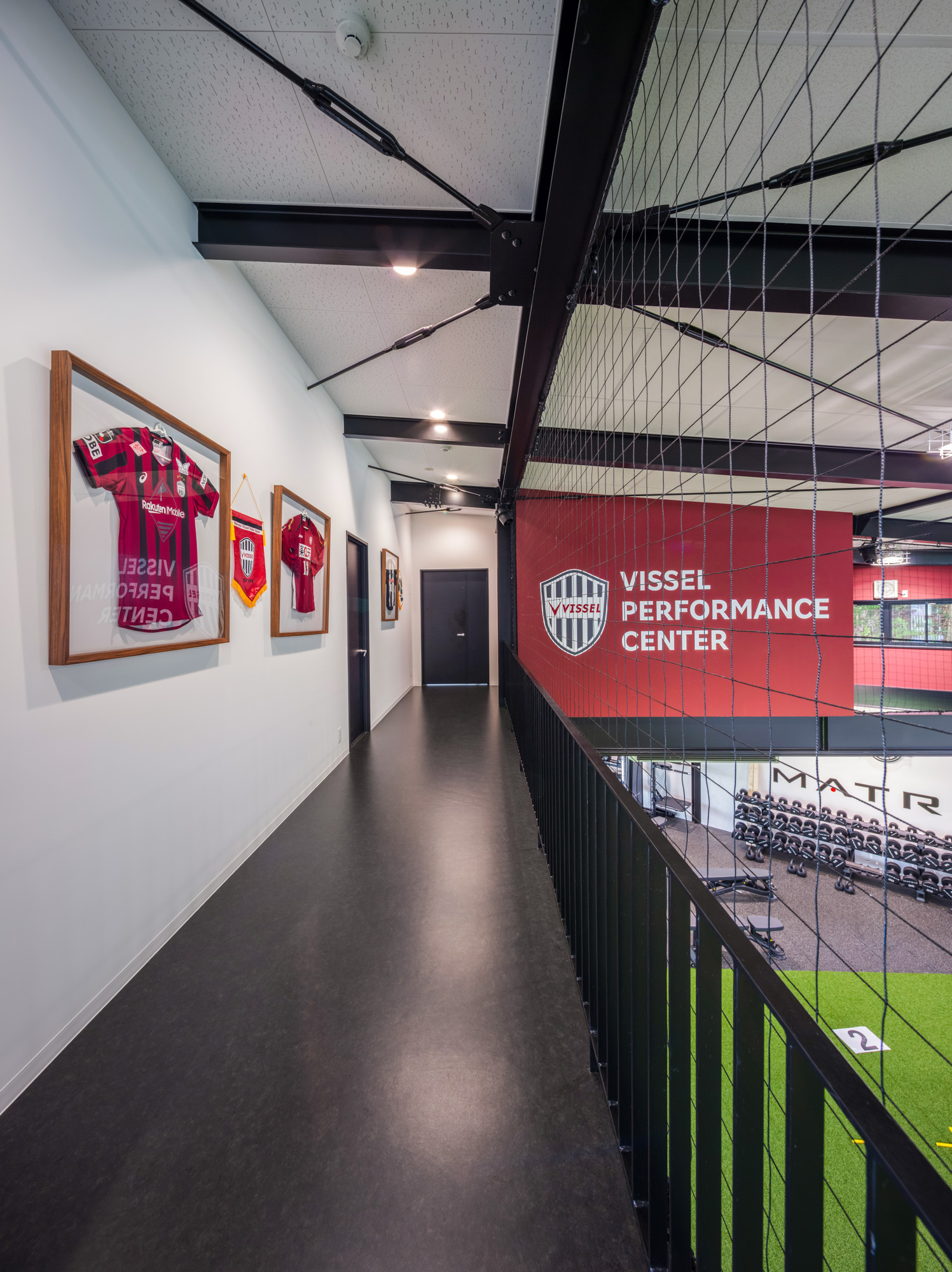
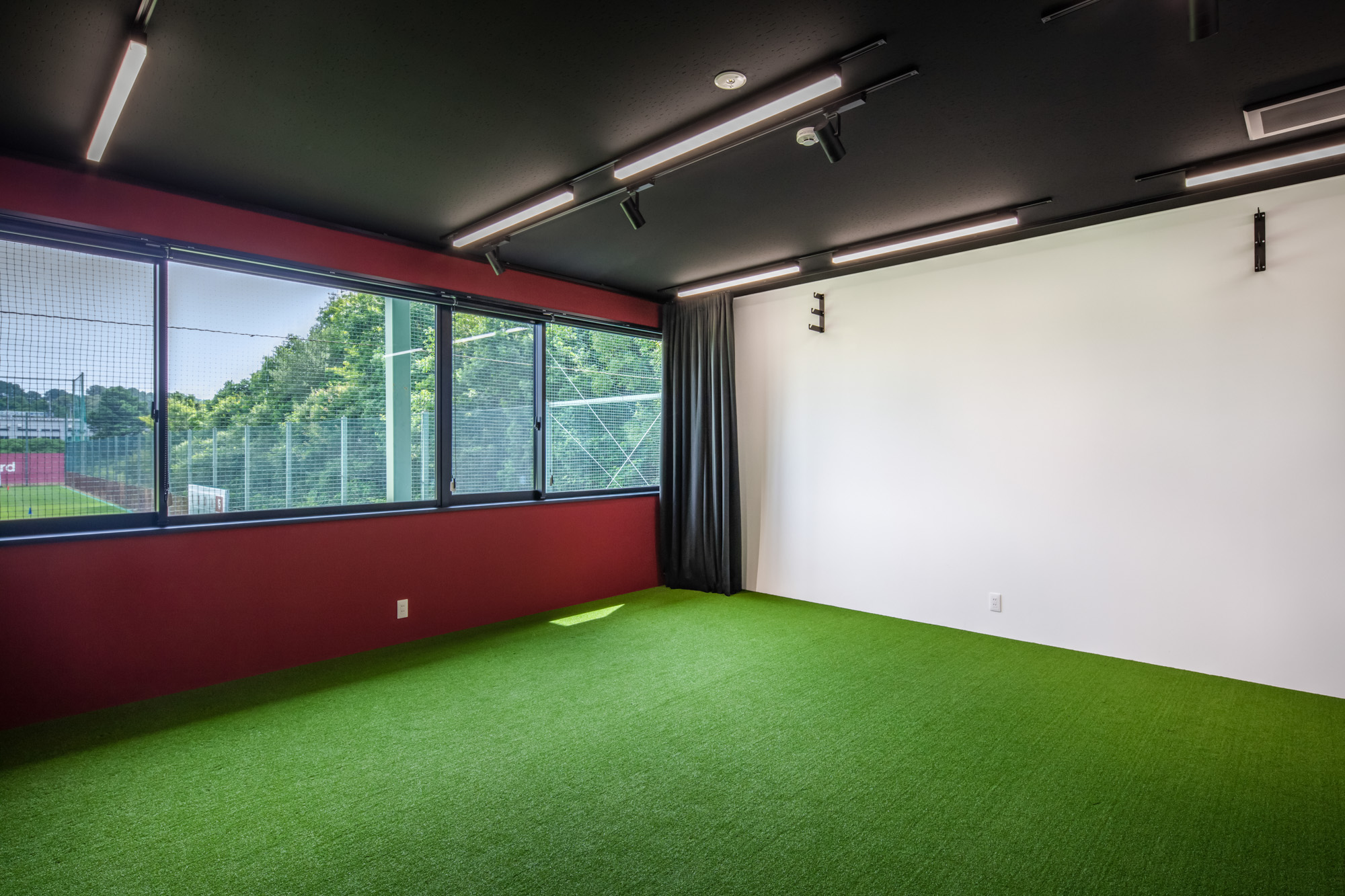
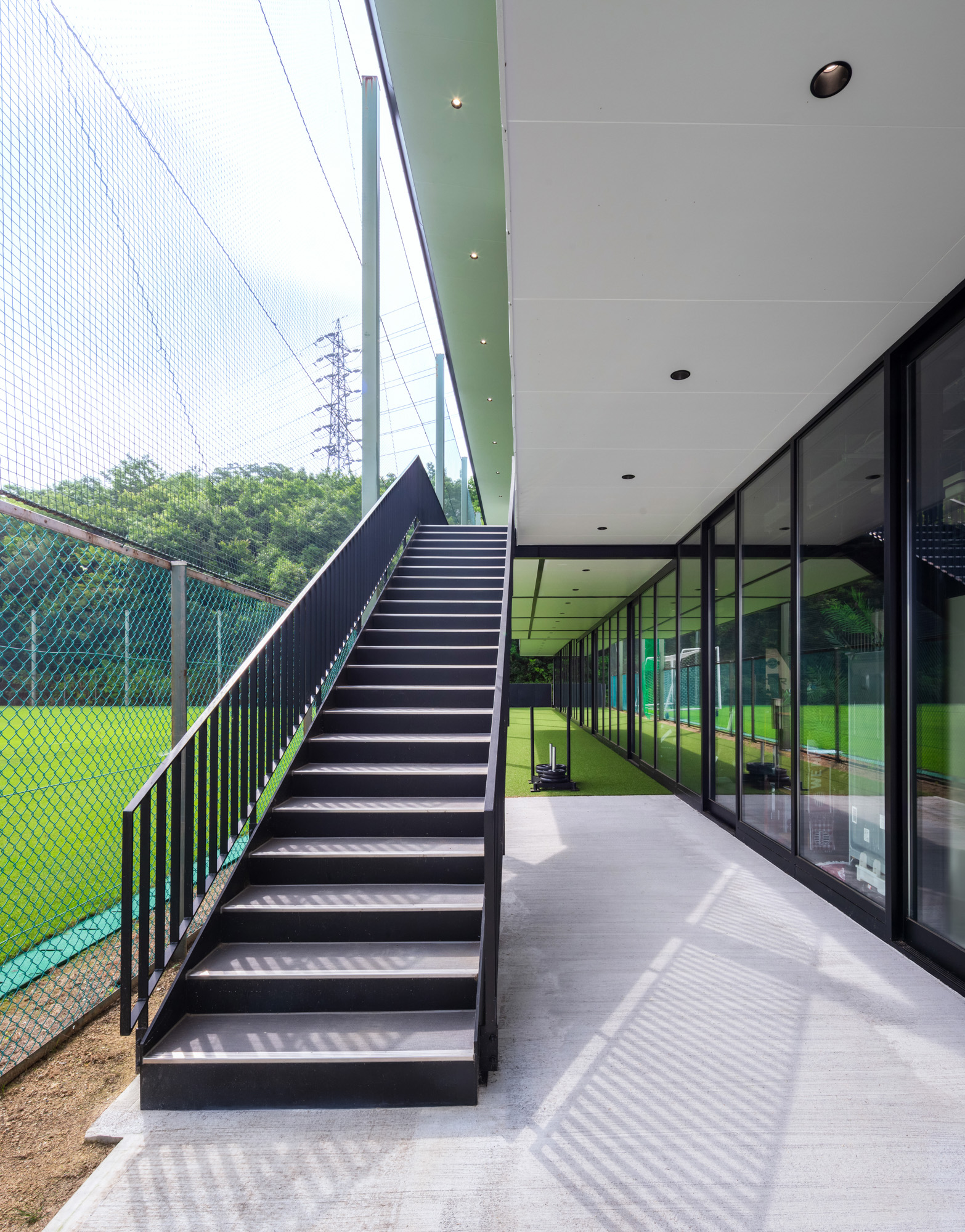
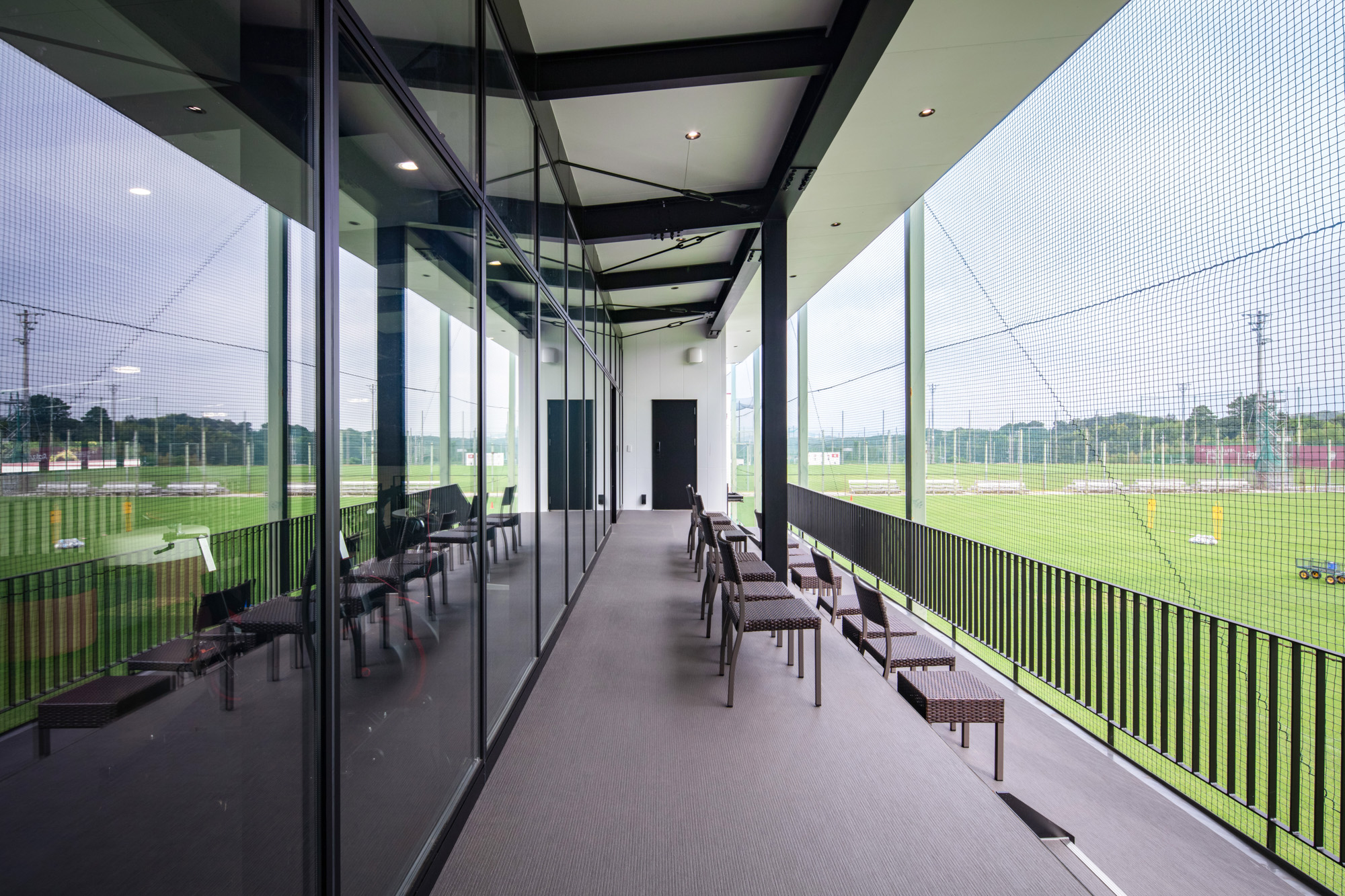
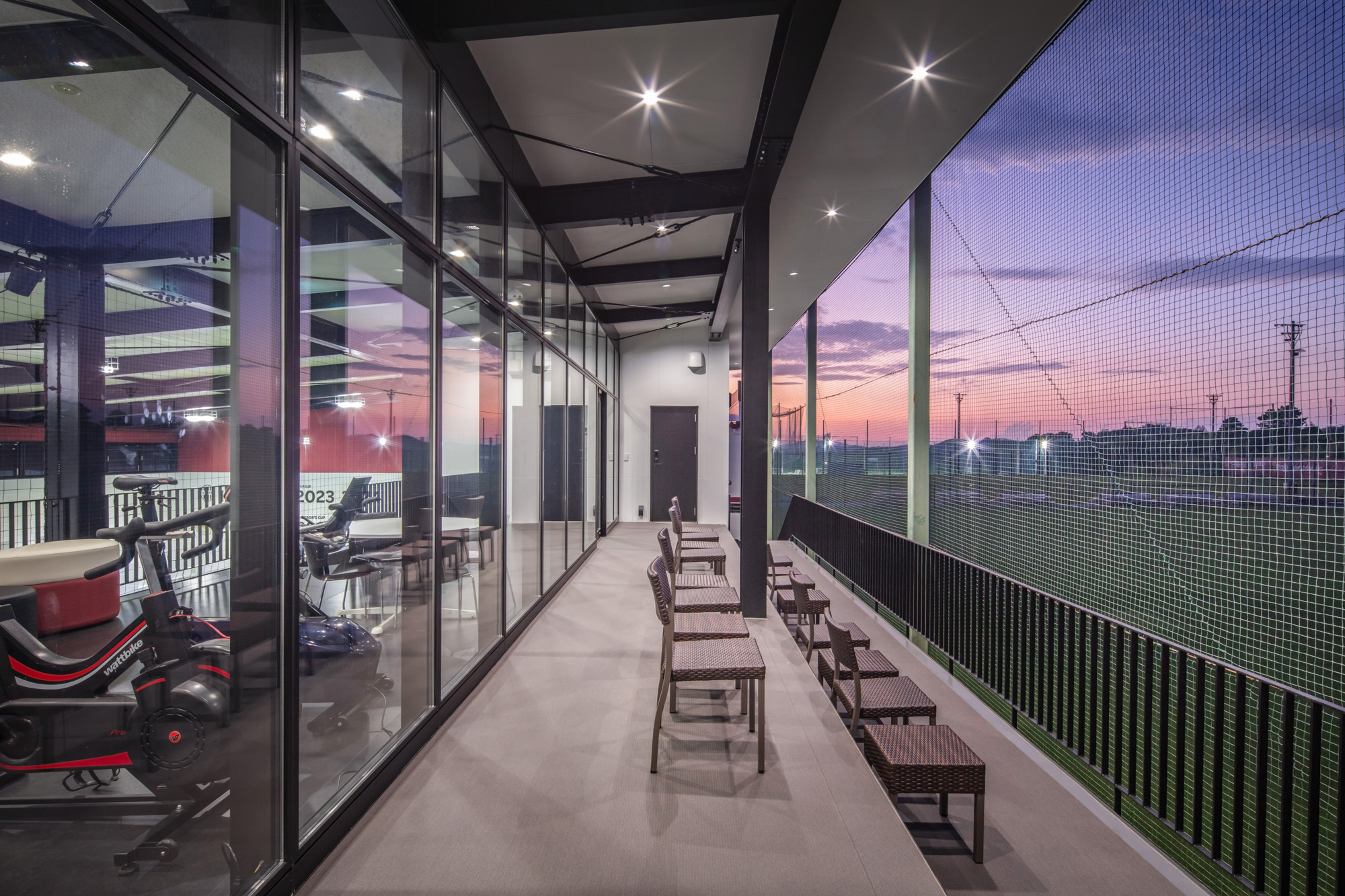
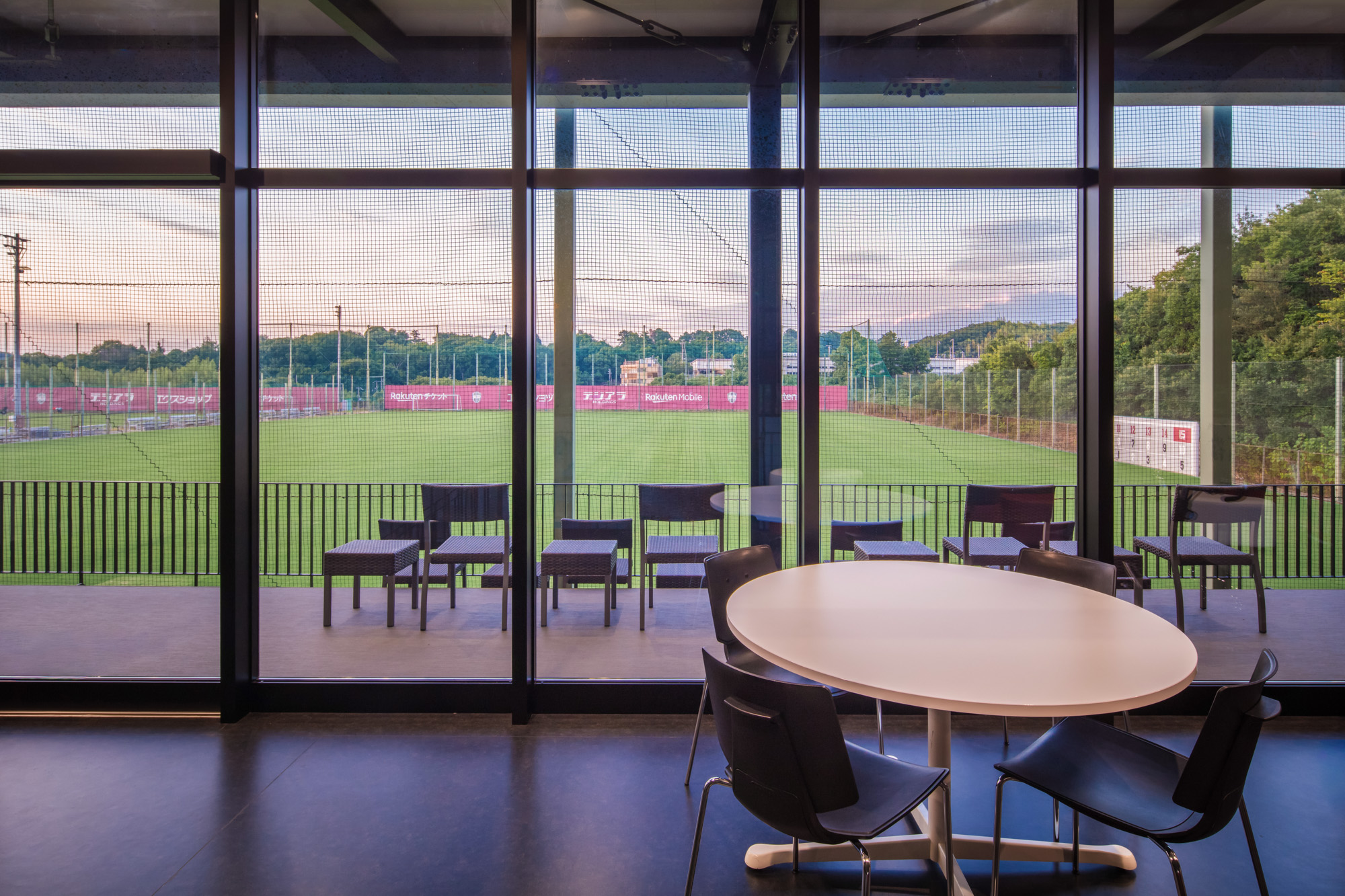
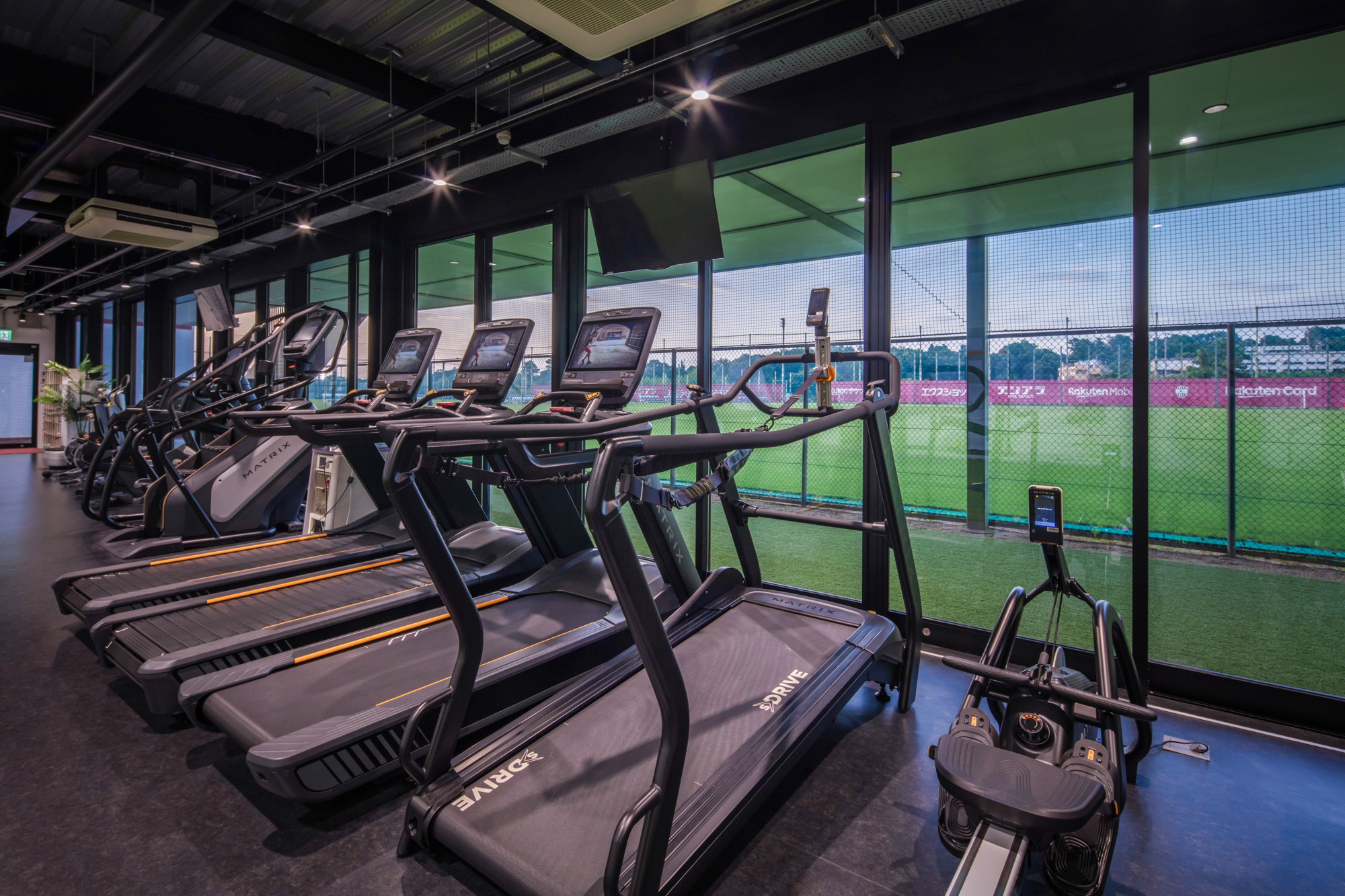
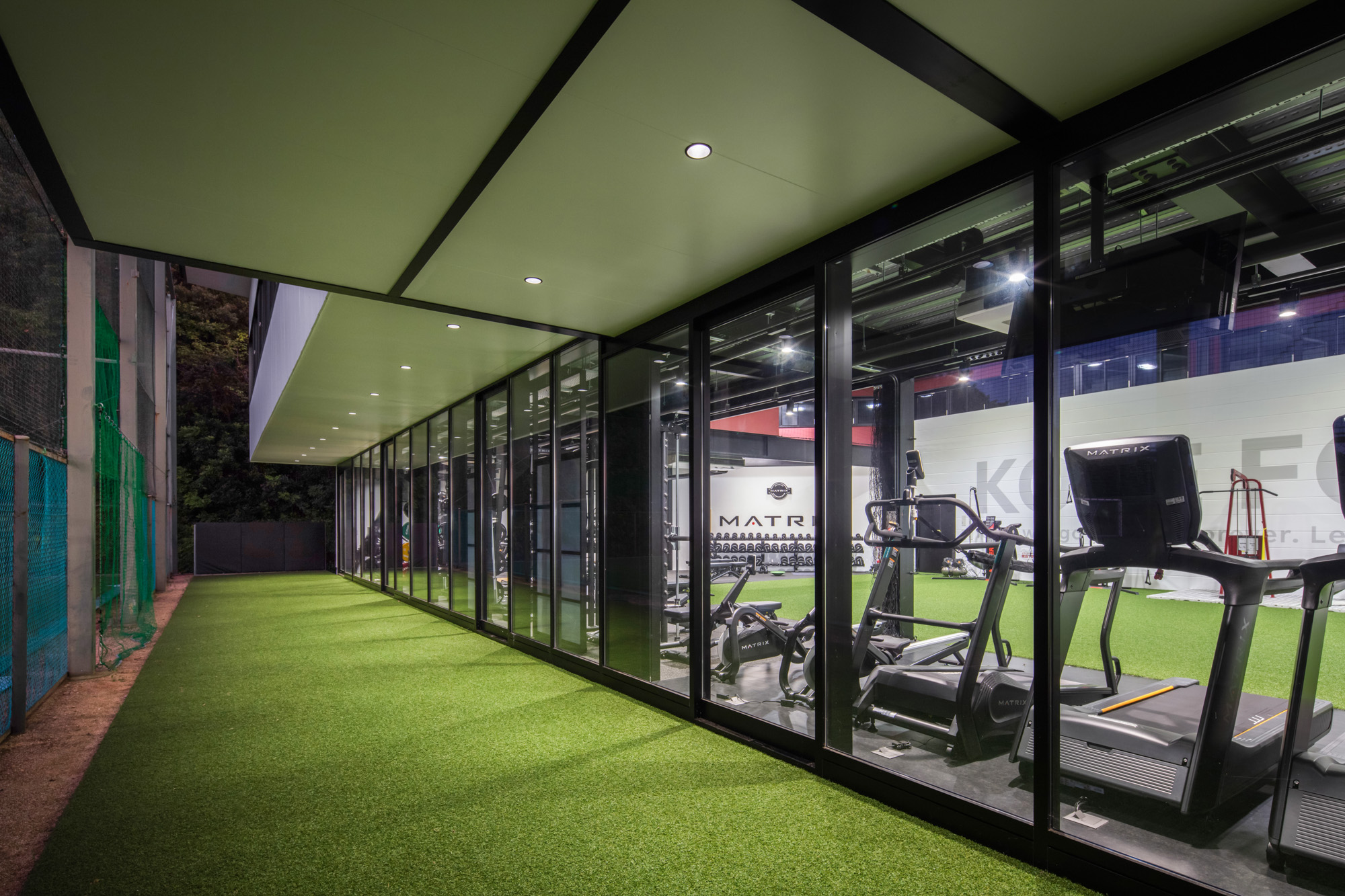
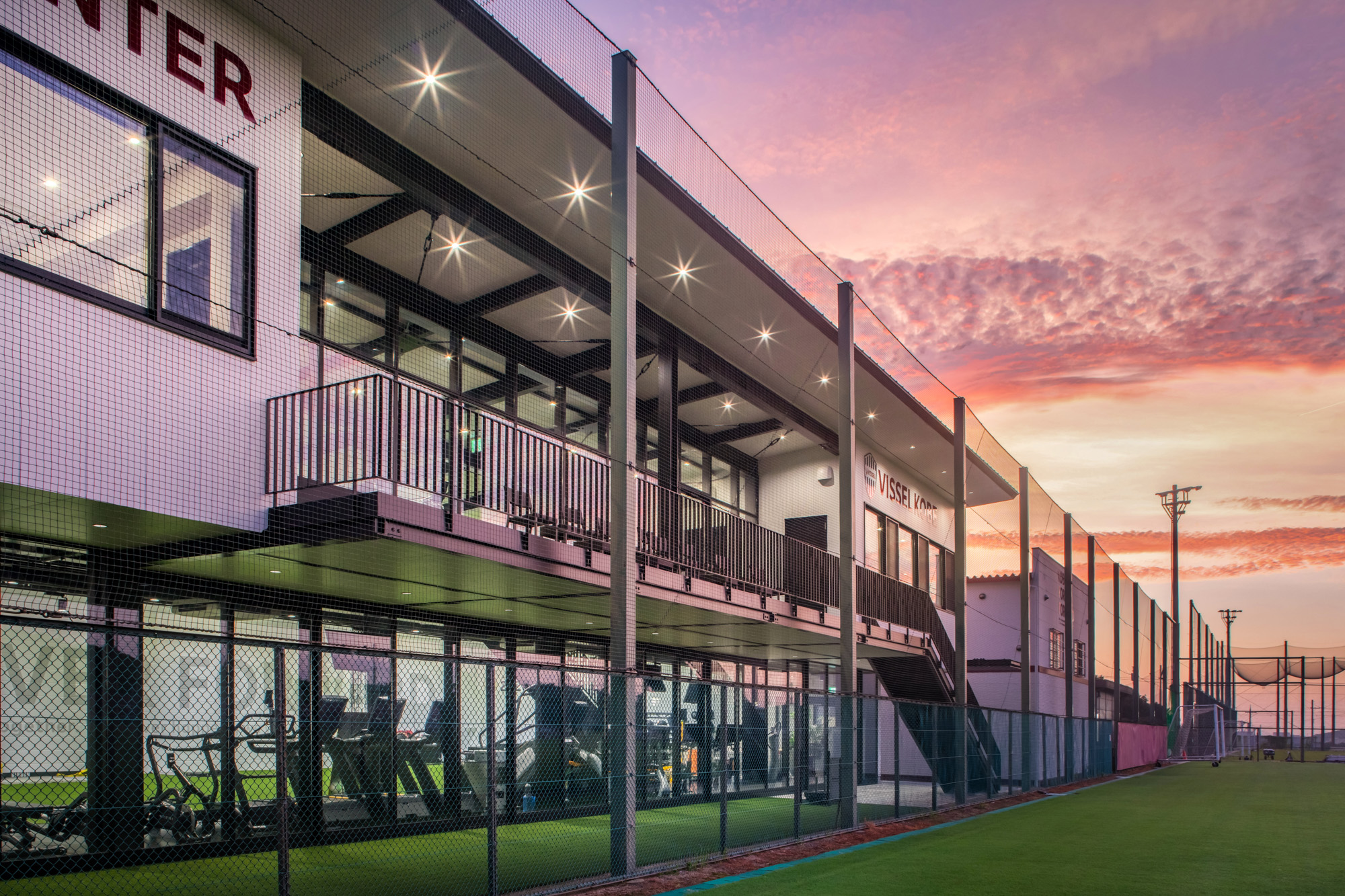
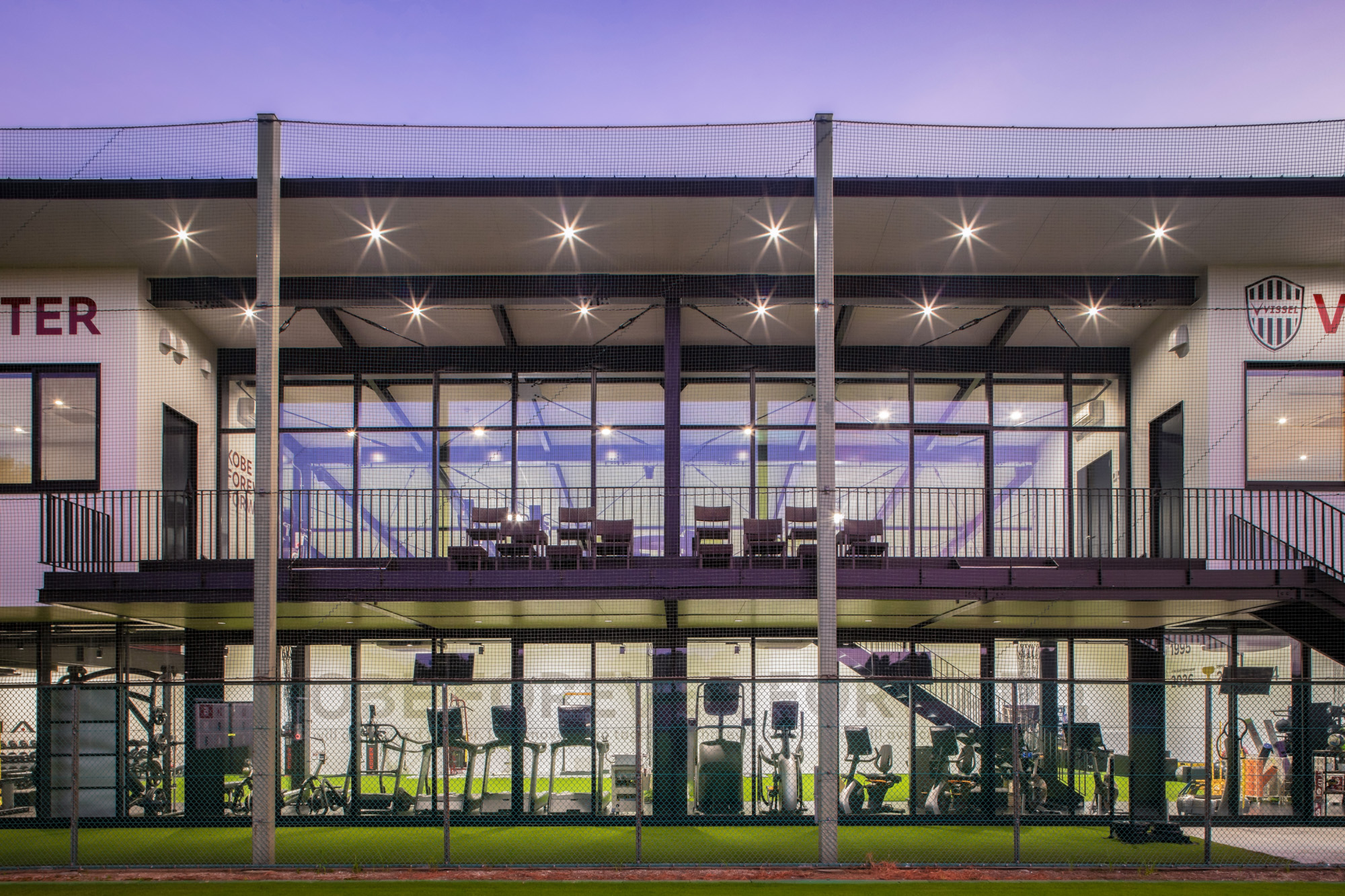
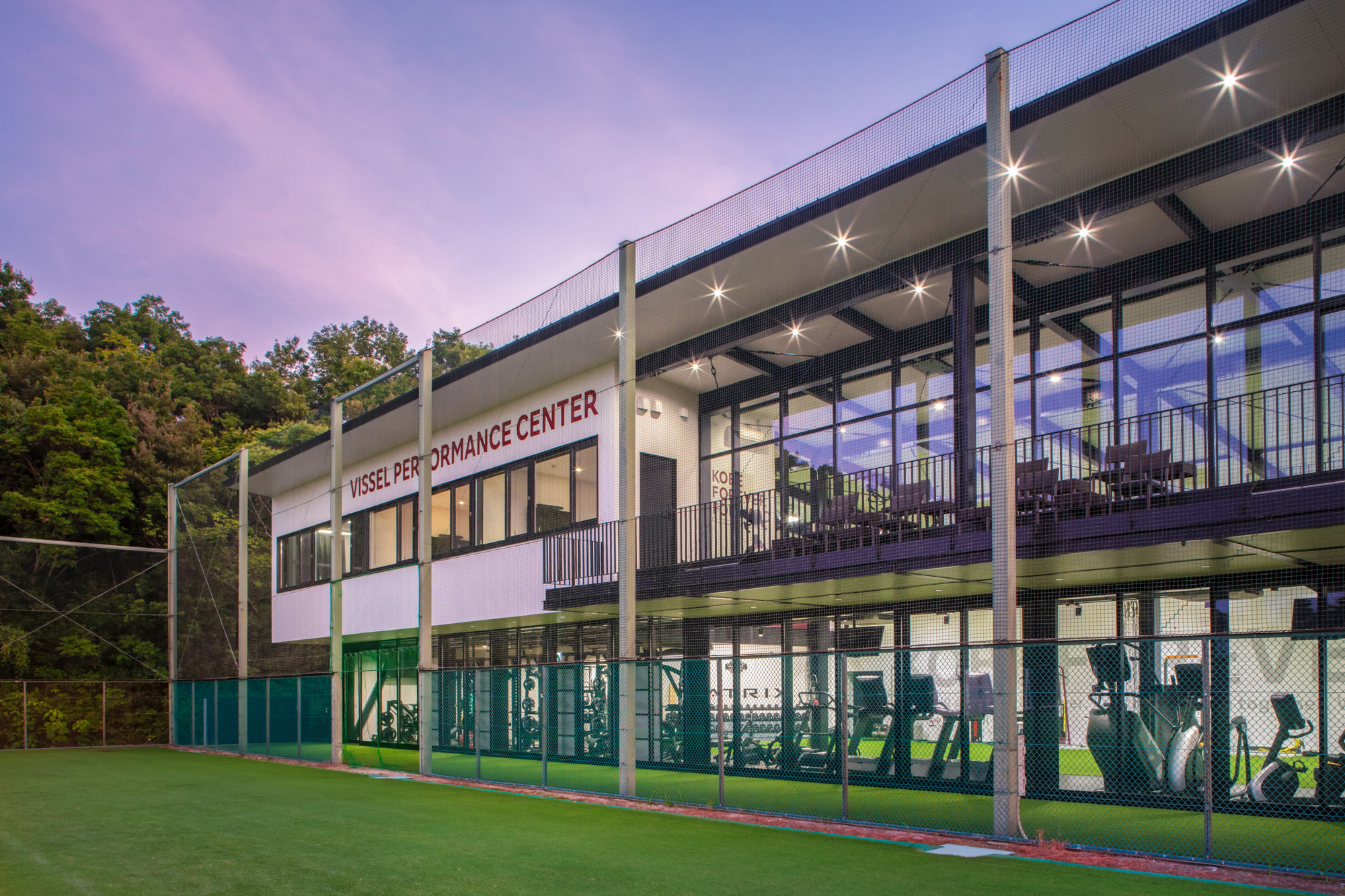
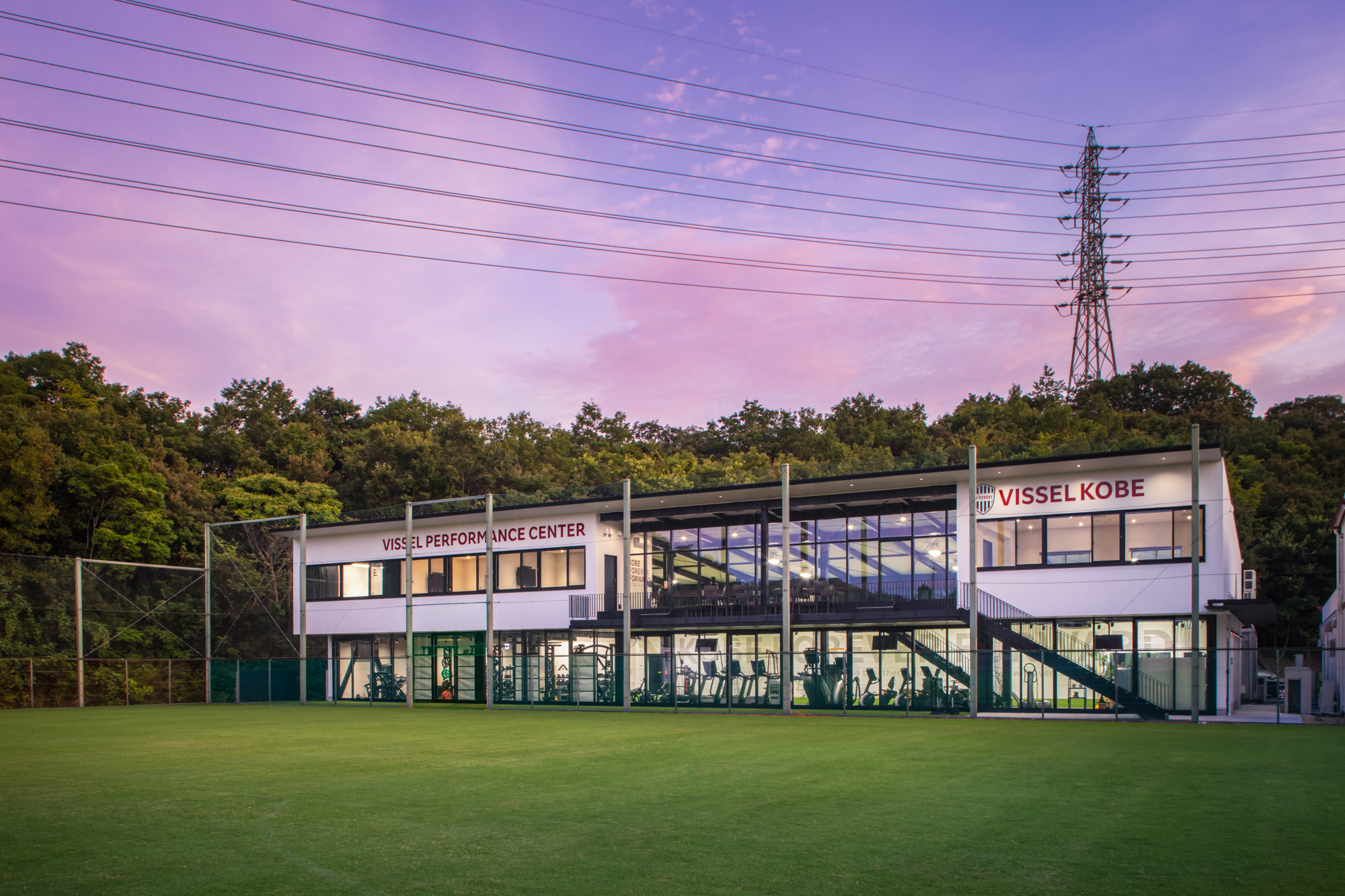
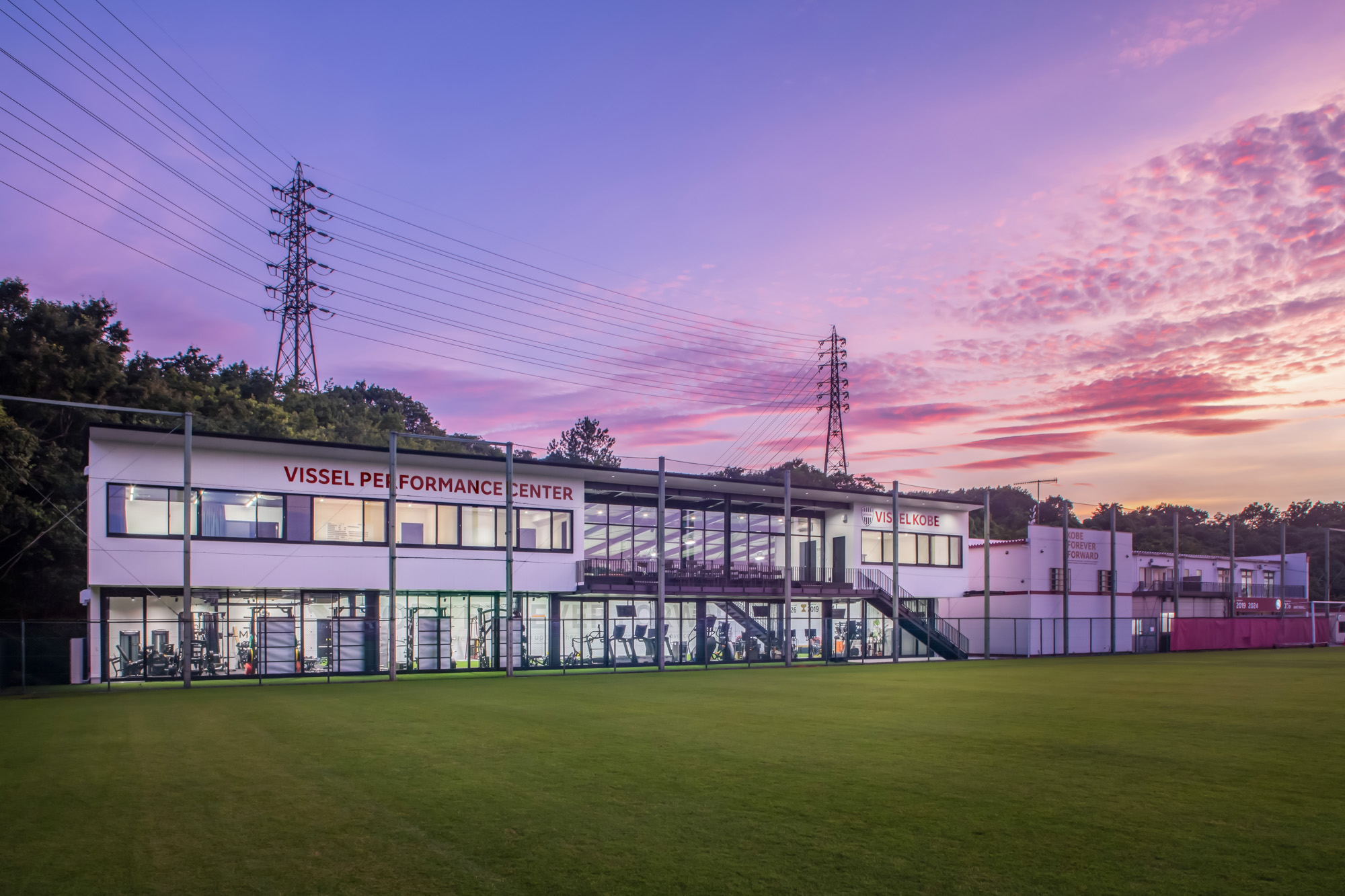
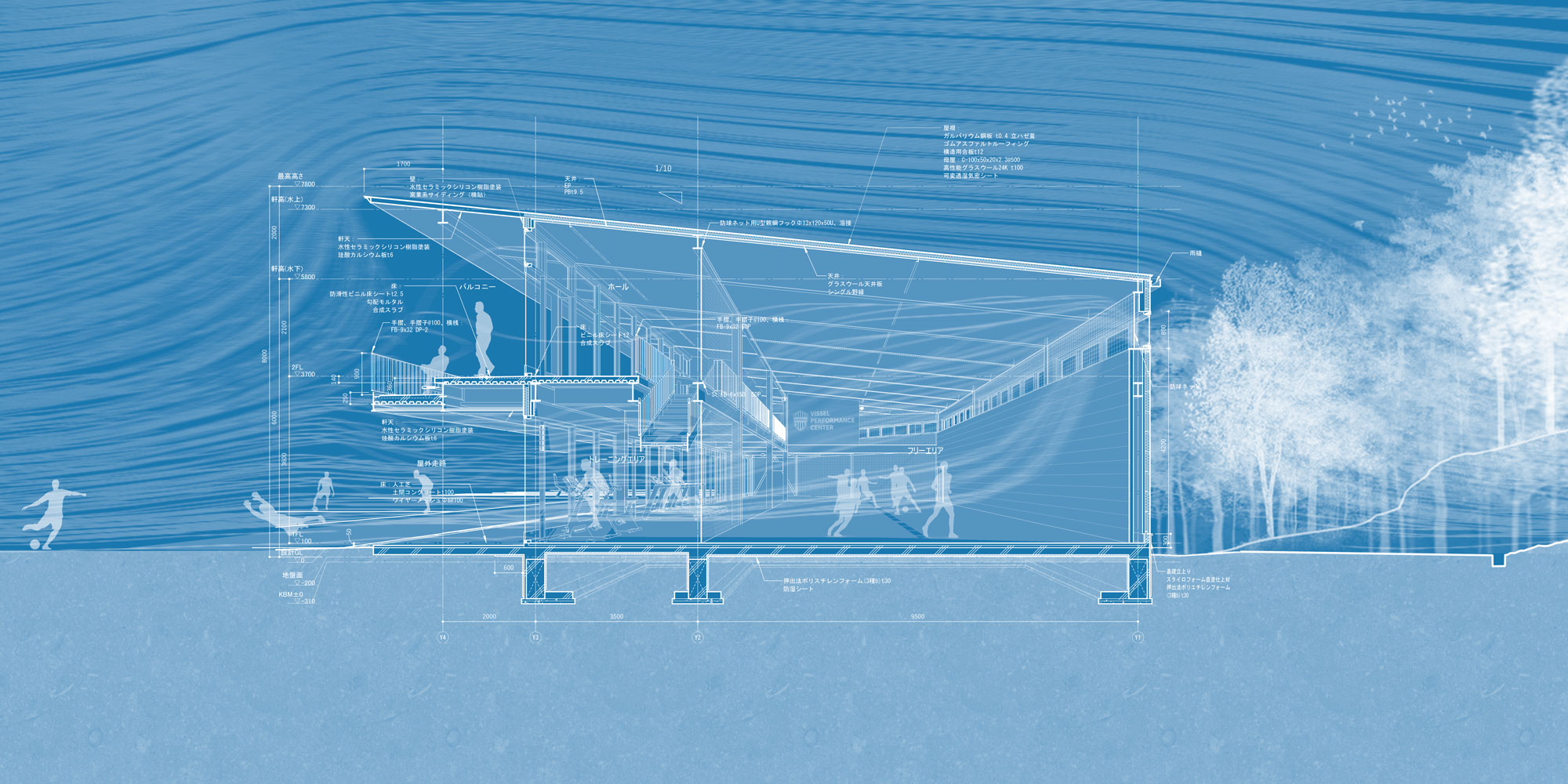
The project aims to create a space that enhances players’ performance by tuning the environment through architecture, drawing on the qualities of Ibuki no Mori, and sharpening the five senses within a low-stimulation setting.
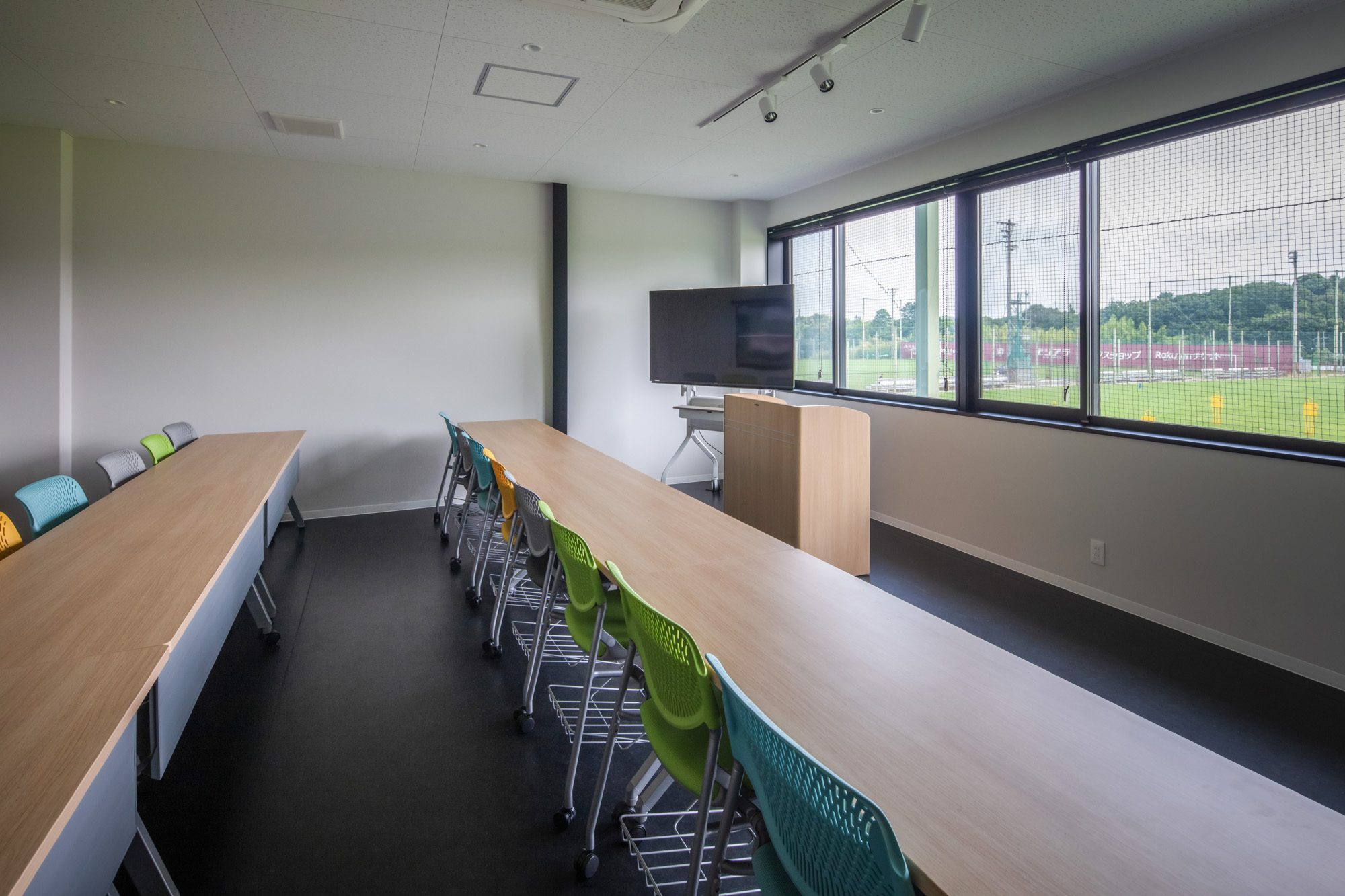
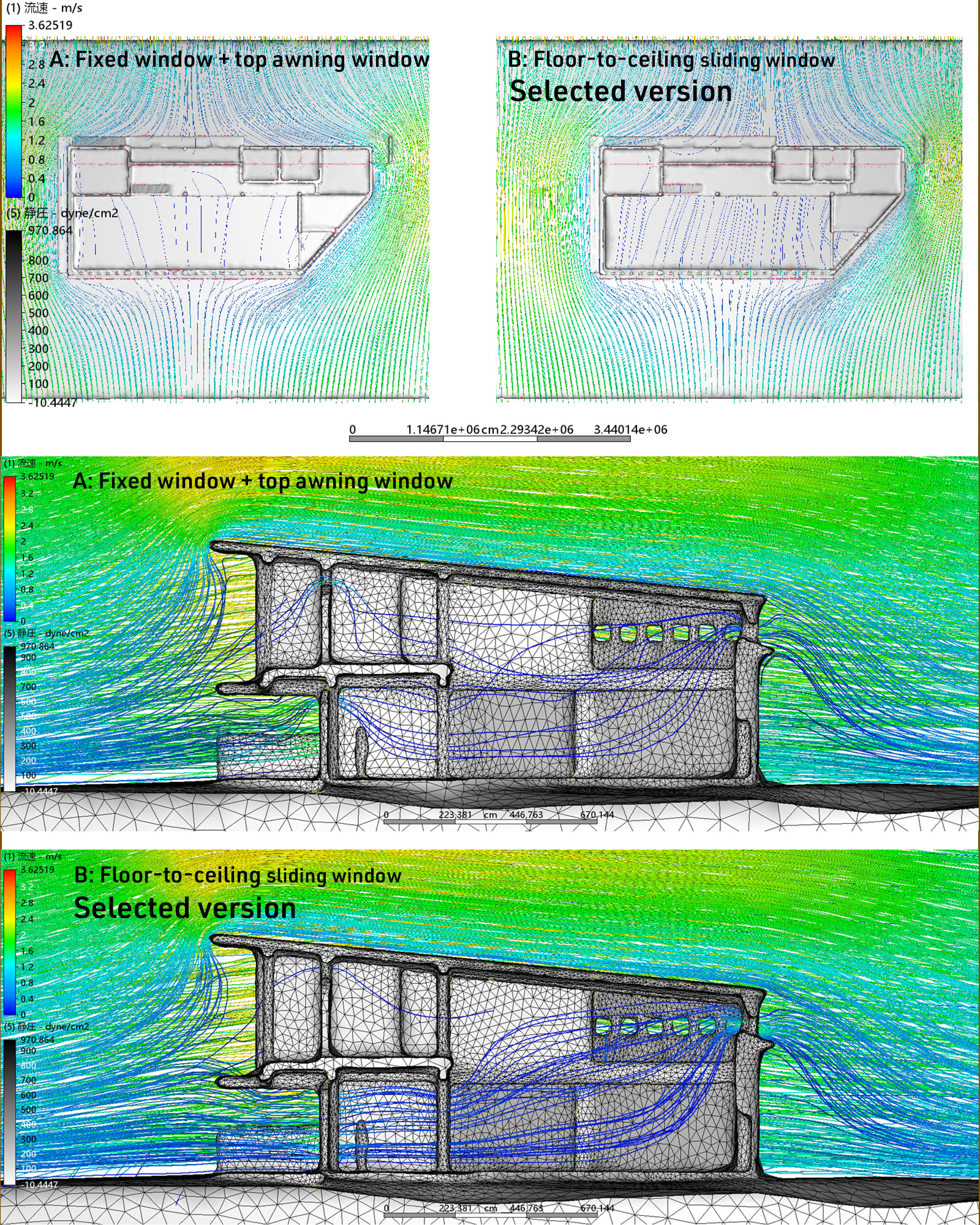
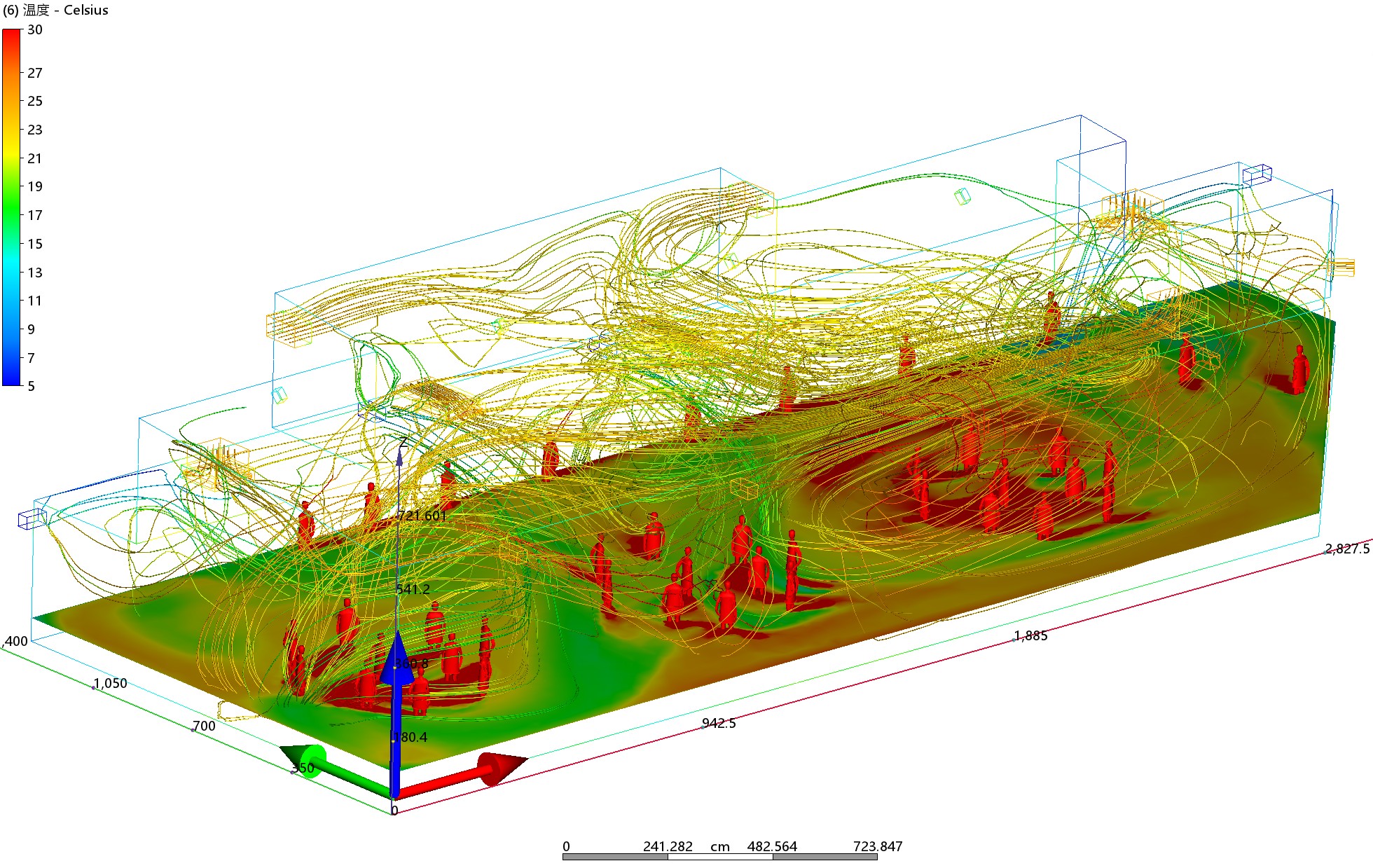
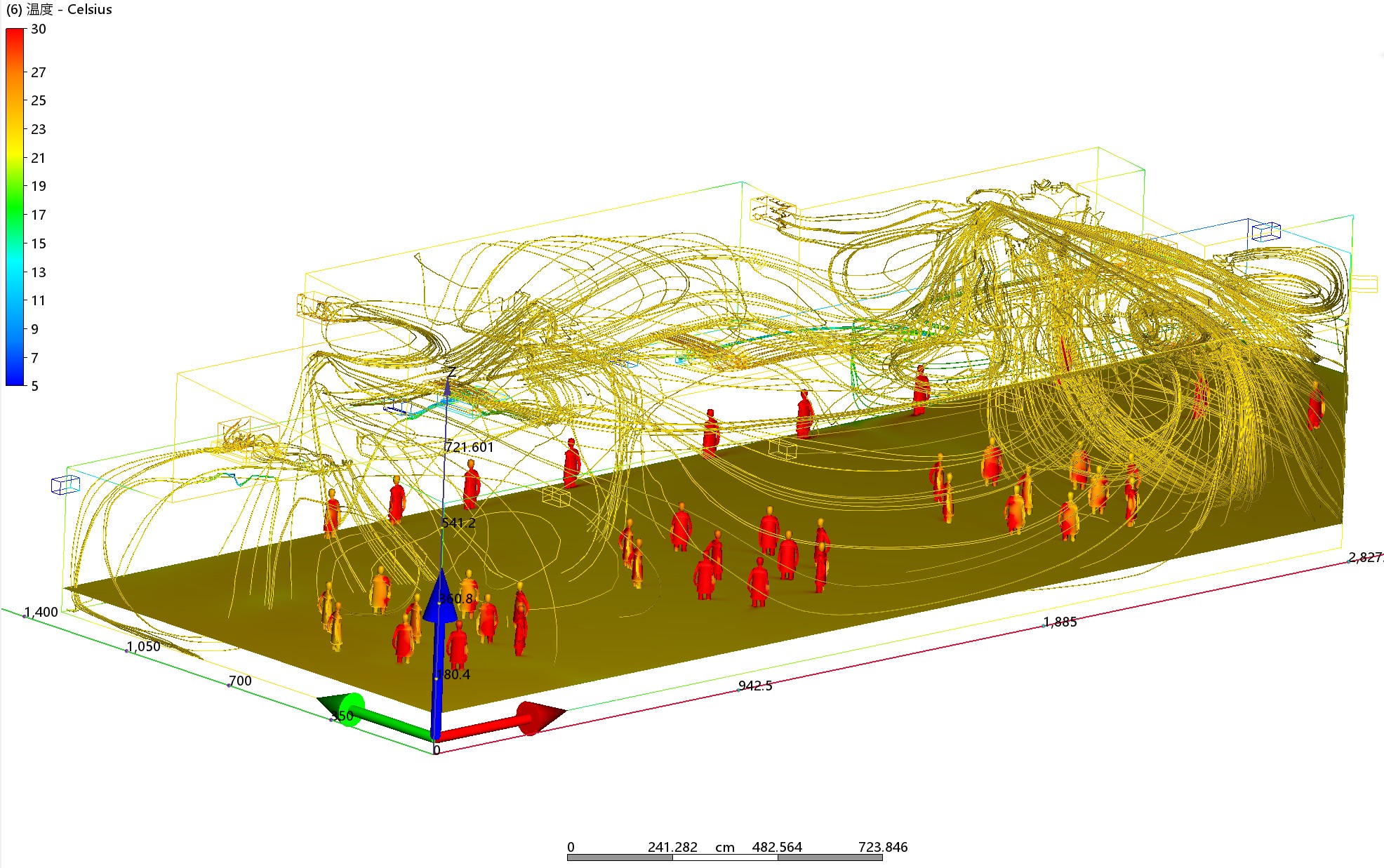
Specifically, rather than relying excessively on mechanical systems, natural ventilation was studied through CFD simulations, and an opening strategy was developed by combining large sliding windows and high-side windows to actively capture seasonal breezes. In addition, sound-absorbing materials such as glass wool ceilings were appropriately arranged to create an acoustic environment that facilitates communication. Furthermore, a stable thermal environment was ensured through the coordinated design of air conditioning, circulators, and insulation.
The space is designed to be bright and well-ventilated, encouraging players to visit naturally, while fostering spontaneous interaction. Such everyday communication is also expected to contribute to team cohesion and improved performance.